What Is The Best Diving Season On The Great Barrier Reef?
Most travellers will ask What is the best diving season on the Great Barrier Reef? and for good reason – getting timing right on a scuba diving trip can make all the difference between having crystal clear water and being out there with the Coral Sea throwing its weight around rough enough to make even an old salt rethink their breakfast. I’ve spent years diving, guiding, and just generally hanging around this bit of coastline – and I can tell you the ‘best season’ is not some neat little answer – but it can be a pretty honest one.
A Real-World Guide to Seasonal Conditions on the Reef
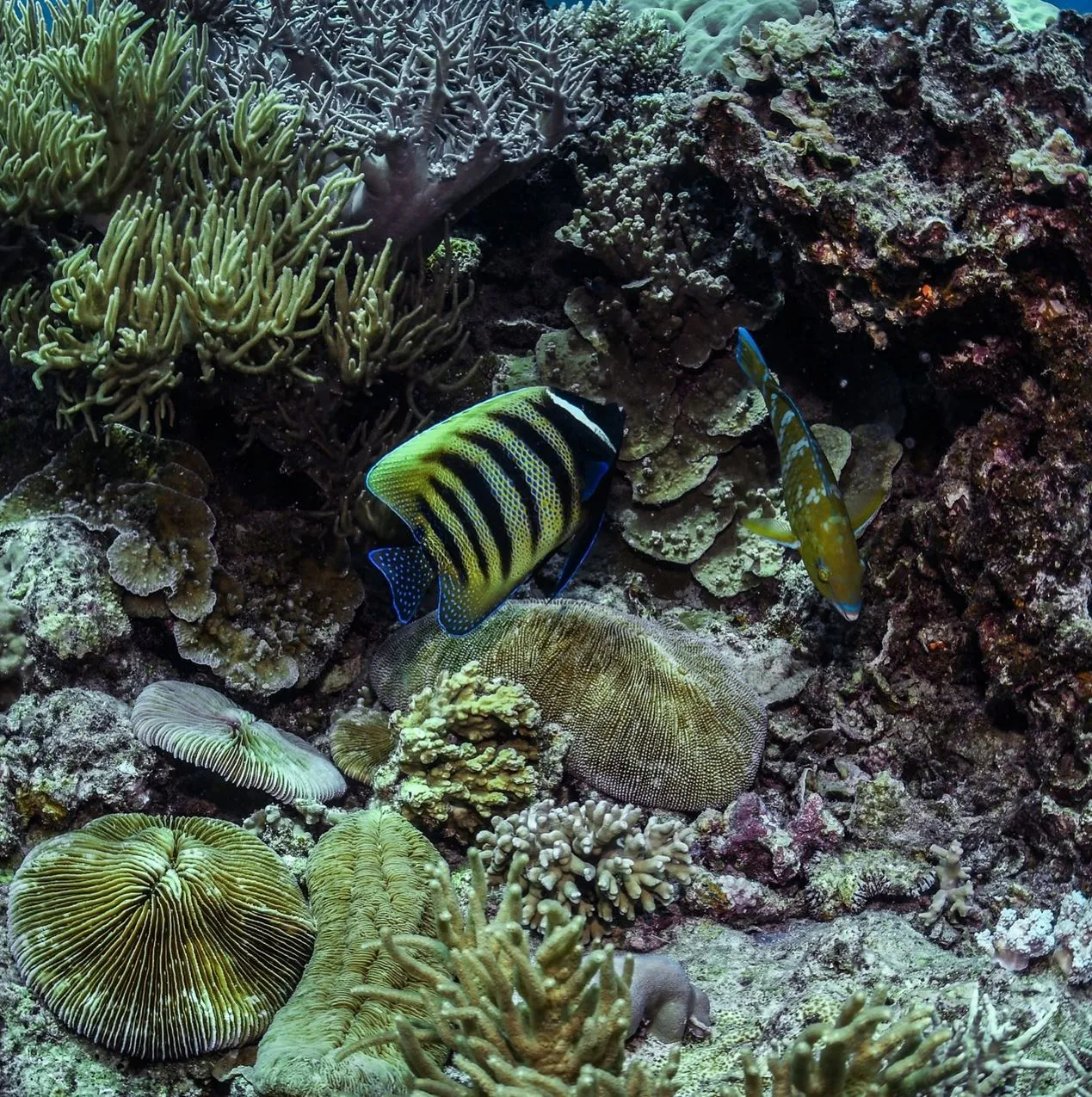
The reef is a bit of a temperamental soul – it’s influenced by the weather, the wildlife and the rather turbulent mood swings of the tropical climate. Some months turn up water so clear you can see 30 metres down, and the coral is so vivid you’d swear it’s been polished to perfection. Others bring warm water in, and it’s teeming with marine life – there’s juvenile fish, reef sharks cruising the drop-offs, manta rays gliding past and even the odd Humpback Whale steaming past the shelf during the early season whale watching. And yes, occasionally the wet season comes along and gives everyone a good reminder that in the tropics, they don’t mess about. Let’s break it down, keep it clean and straightforward and ditch the brochure-speak.
Choosing The Right Months For Your Diving Style
You’re going to want to think about what kind of scuba diving you enjoy – calm seas, spotting marine life, strong visibility, warm water or big-ticket wildlife like Minke Whales or Humpback Whales. Each season along the Queensland coast has its own personality. Some months are as flat as a pancake, others are as rough as a bad case of nerves. Working out the right moment is half the fun of planning a Great Barrier Reef Marine Park dive trip.
You’re not just picking dates – you’re picking the kind of reef you want to come face to face with. Maybe its gentle coral cays and soft corals, maybe it’s chasing Dwarf Minke Whales around the Ribbon Reefs near Lizard Island, or perhaps it’s long drift dives through Osprey Reef in the Coral Sea with water that looks like it’s just been painted a pale blue – in short the Aussie seasons will give you some clues if you know how to read them.
The Dry Season Advantage (May to October)
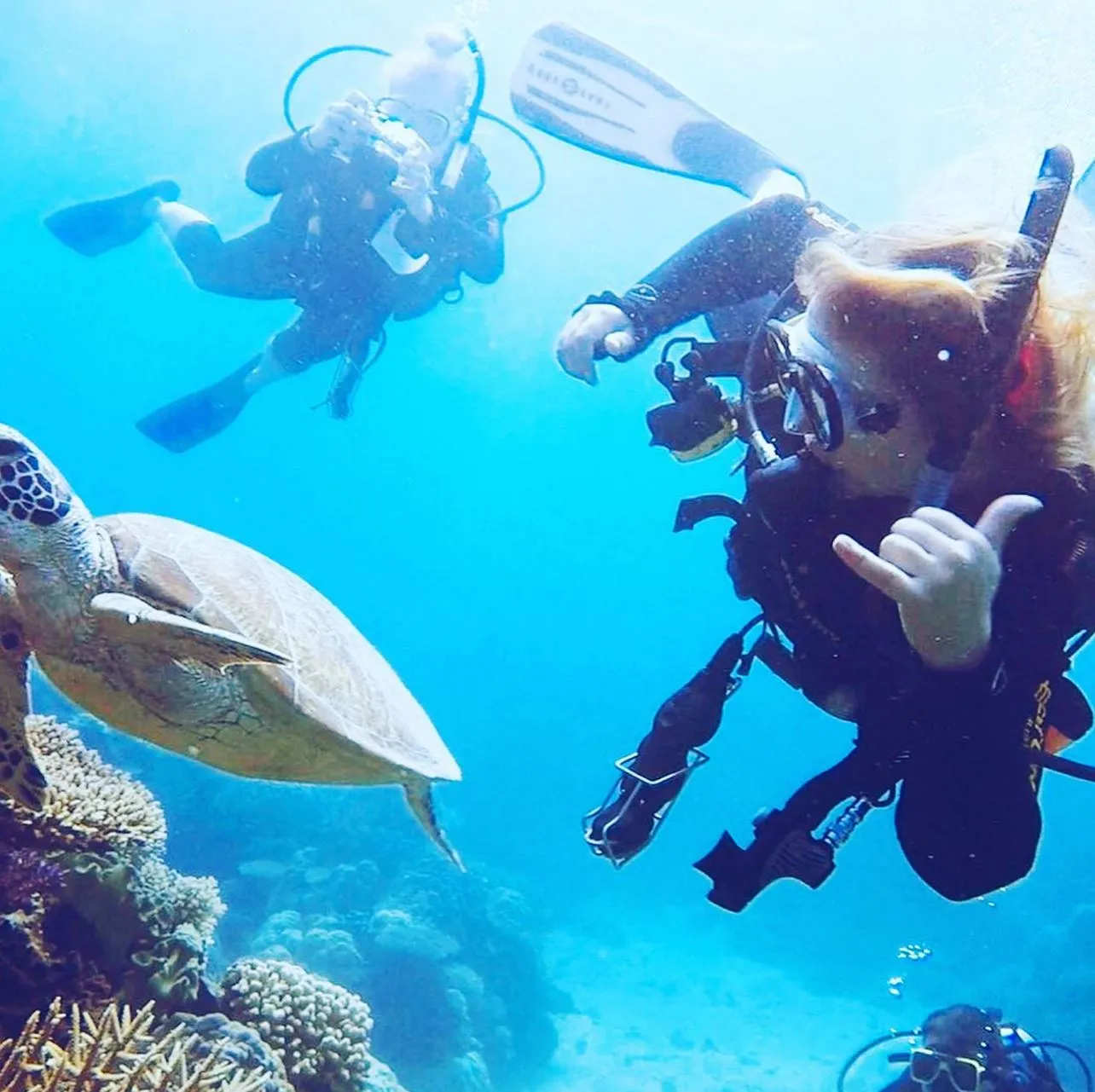
The tropics actually behave themselves a bit during the dry season. We get cool mornings with calm south easterly trade winds & sea conditions that put the dive boat into steady cruise mode instead of a wild ride in a cyclone. Most pro divers – and me included – tend to quietly prefer diving during these months – the water visibility regularly hits between 15-30 metres, which is bloody great.
The outer shelf at the Reef really comes alive in this period. I’ve surfaced in June so many times, thinking to myself – that’s why we put up with the wet season – and I still do. The risk of coral bleaching declines with cooler water, and marine biologists say the area feels “cleaned up” after summer’s chaos.
Things to look out for during the dry season:
- The wind is pretty steady at 10-15 knots
- Less sediment means clearer water to boot
- The water temp sits between 22-25 C, which is perfect for photography
- Minke Whales & Humpback Whales along the Port Douglas – Cape York corridor are quite the sight.
The Wet Season Trade-Off (November to April)
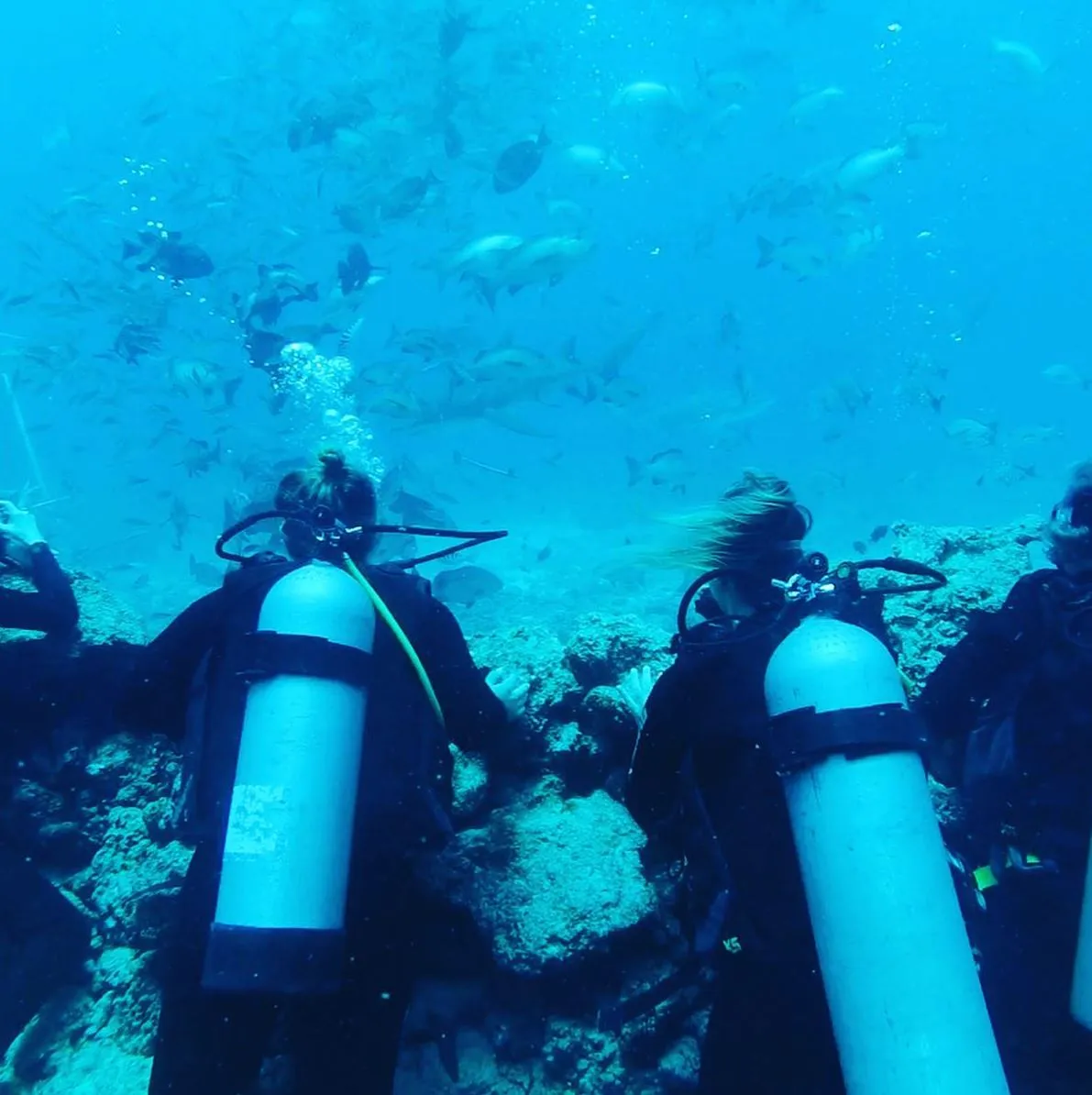
Now, the wet season‘s not something to be too worried about – you just need to know what you’re in for. There’ll be storms sometimes, and rain pretty often. Water visibility? – It’s going to be variable. But on the plus side, the wildlife is absolutely pumping.
The water temperature is in the 27-30 °C range, tropical monsoon weather sets in, and currents bring in plankton that feed corals, polyps, groupers & all the rest. The reef is in full nursery mode – there are little fish everywhere, baby turtles breaking out of nests on Heron Island, reef sharks patrolling the flats, and Manta Rays are feeding on the rich water column.
I’ve had some of my most memorable scuba diving days in February when the clouds parted for a few hours, and the Reef just lit up under a clear patch of sky.
What to expect in the wet months:
- Afternoon storms ( short & dramatic)
- Glassy calm mornings that give way to rougher seas later in the day
- Plankton-rich water – visibility will be a bit reduced
- Marine life is totally on the move & it’s turtle nesting season
A Month-By-Month Look: What The Conditions Really Feel Like
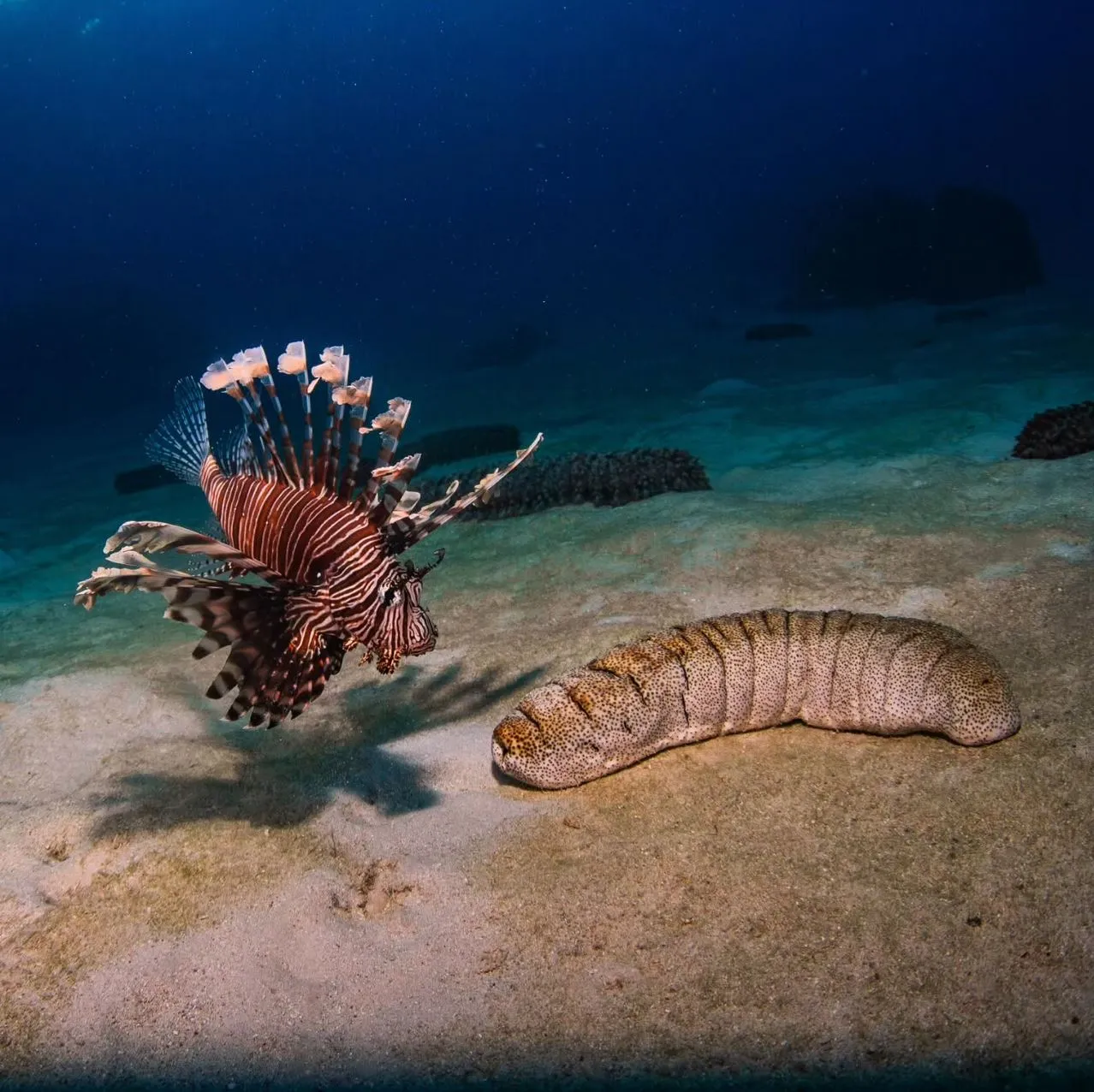
Most travellers want something more specific than “dry vs wet.” So here’s a straight-talking breakdown of how each month behaves out on the Reef — not the glossy version, the real version you hear from dive crew, marine biologists, and Liveaboard dive boats over a cuppa.
May — Steady Seas And Happy Divers
By May, the winds have settled, the cyclone season has ended, and the water temperature begins to drop. Coral Sea trips often run smoothly, and visibility starts its winter climb. When I worked a string of liveaboards one May with Spirit of Freedom, we didn’t cancel a single departure — a miracle up here.
June — Peak Visibility, Peak Smiles
June is bloody gorgeous. Calm seas, fewer storms, crisp water visibility, and clear winter light that makes coral reefs glow. Ribbon Reefs? Picture-perfect. Dwarf Minke Whales arrive like clockwork between Port Douglas and Lizard Island.
July — Cool Water, Hot Action
Yes, the water dips to around 22°C, but the scuba diving is top-tier. Wind can pick up for a day or two, but usually backs off. Expect blue water, 30-metre viz days, Minke Whale encounters, and Humpback Whales breaching off Cape York.
August — Dry Season Sweet Spot
Calm seas, phenomenal clarity, textbook scuba dive conditions. Even the gear seems lighter when the weather behaves. Maori wrasse, reef sharks, and big Potato Cod at Osprey Reef love these cooler months.
September — Transition With Benefits
A touch warmer, still clear, predictable. One of my favourite months for beginners doing their PADI Open Water — great water visibility, no big surprises, and perfect for Reef tours from Cairns or Port Douglas.
October — Last Call Before Summer Build-Up
The weather warms, seas stay steady, and visibility remains decent. Coral spawning is preparing to kick off. Night diving during the spawn is like floating through a snow globe filled with coral polyps.
November — Spawning Fireworks
Warm seas, warm air temperatures, and annual coral spawning across the Great Barrier Reef Marine Park. Visibility can dip slightly, but the biological spectacle beats any clear-water day.
December — Hot Weather, Wildlife Everywhere
The tropical climate shifts into full summer energy. Calm mornings and stormy afternoons. Water clarity swings, but marine life is electric with juvenile fish and nesting turtles around Lady Elliot Island and Heron Island.
January — Summer In Full Swing
Warm, unpredictable, energetic. Some days flat as a lake; others choppy with afternoon winds. If you love tropical fish, soft corals, and reefs buzzing with life, January is underwater chaos in the best possible way.
February — Rain, Colour, And Life
One of the wettest months, but the ecosystem explodes. Water temperature peaks, and coral formations thrive in plankton-rich currents. If you judge scuba diving solely on visibility, skip it. If you love stories about marine life unfolding, come now.
March — Shifting Gears
Storms ease, seas stabilise, and visibility improves in spurts. Baby turtles hatch on mainland and island beaches. Fewer crowds + cheaper dive trips.
April — Underrated Gold
Warm water, calm mornings, improving visibility, zero Australian school holiday chaos (if you time it right). It’s a great month for beginner scuba diving around Green Island, Magnetic Island, and Great Keppel Island.
Typical Seasonal Diving Conditions
| Season (Months) | Avg. Visibility | Sea Temp | Wind Pattern | Wildlife Highlights |
|---|---|---|---|---|
| Dry (May–Oct) | 15–30 m | 22–25°C | SE trade winds | Minke Whales, Humpback Whales |
| Build-Up (Nov–Dec) | 10–20 m | 26–29°C | Variable winds | Coral spawning, turtle nesting |
| Wet (Jan–March) | 8–15 m | 28–30°C | Monsoon storms | Juvenile fish, baby turtles |
| Shoulder (April) | 10–20 m | 26–27°C | Calmer seasonal winds | Warm water + improving clarity |
Data aligned with GBR operators and Bureau of Meteorology patterns.
Key Factors That Make A “Best Season”
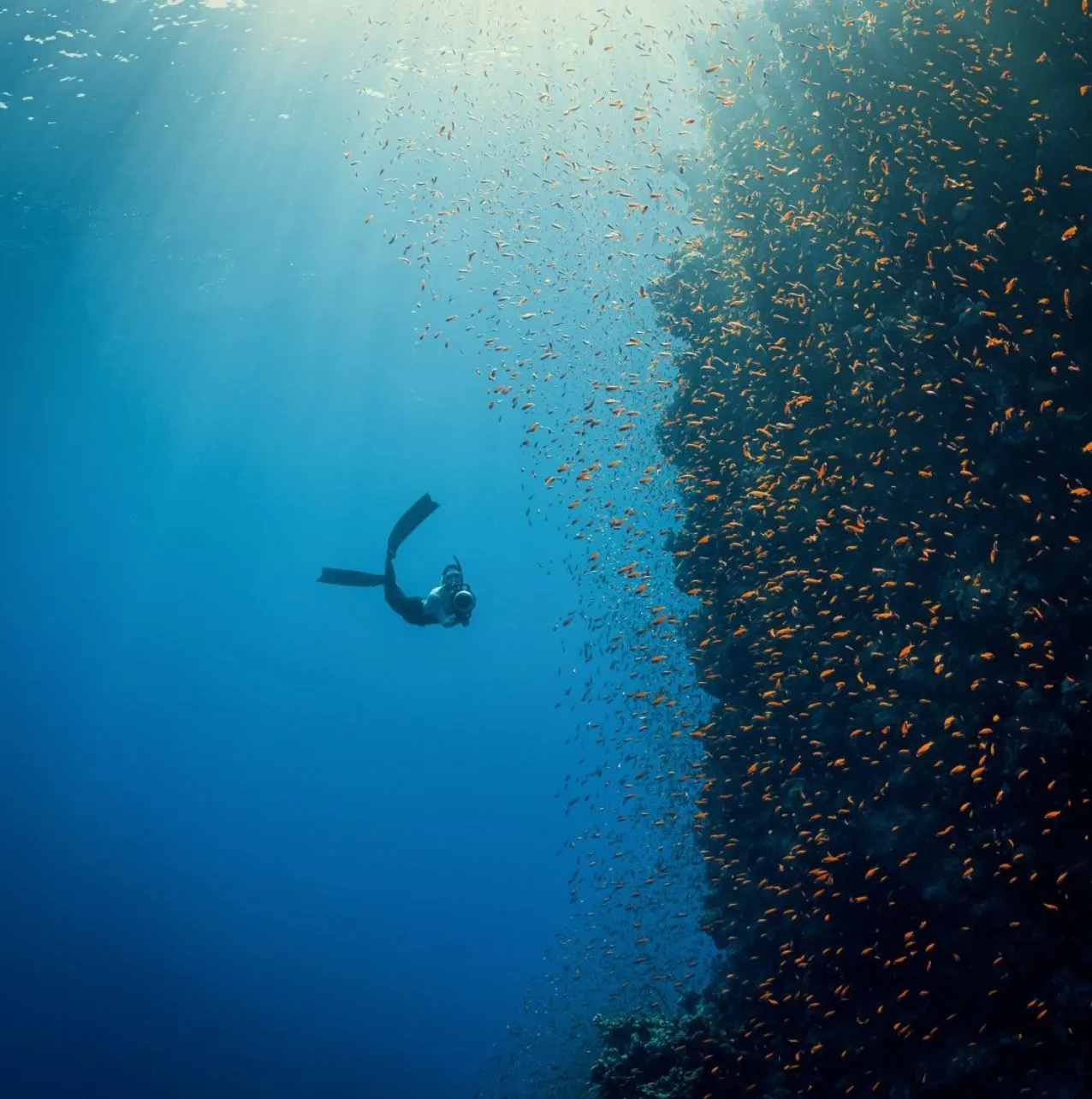
The Great Barrier Reef is a constantly shifting environment – visibility, water temperature, wildlife cycles and wind patterns are always on the move. Knowing how these factors impact scuba diving is just the starting point.
Water Temperature vs Visibility – The Simple Truth
Cooler water equals clearer water, pure and simple. In winter, the drop in plankton gives the Reef that famous crystal blue clarity that makes photographers swoon. But when the water warms up in the summer, coral polyps start feeding, juvenile fish start recruiting, and there’s a whole lot more energy on the Reef.
What’s better in Winter:
- Cleaner visibility
- Better photography opportunities
- Easier dive planning with calmer seas
And in Summer:
- Warmer water
- More marine life activity to watch out for
- Longer bottom times (which means you don’t need to worry about being so bundled up in Lycra all the time)
The Wind And Sea Conditions – What You Need To Watch Out For
We’ve all seen those postcard-perfect views of the Coral Sea – but in reality, it can get pretty wild.
The south-easterly trade winds are the dominant force from June to September and bring calm to the water. But let the wet season’s northerlies kick in, and you’ll have unpredictable chop and visibility chaos to deal with.
The Calmest Months are:
- May, June, August, September, October
Get Ready for a Bump:
- December–February
Marine Life Seasonality – The Good Stuff
Now we’re into the fun stuff – seasonal scuba diving at its best.
Top Seasonal Highlights:
- Dwarf Minke Whales: usually show up in June and July, especially around the Ribbon Reefs and Lizard Island
- Humpback Whales: If you’re in the right place at the right time (July-September), you can catch these guys along the outer shelf
- Coral Spawning: October to November – a real treat
- Turtle Nesting Season: November to January, and you’ll be lucky to catch the baby turtles and juvenile fish in January to March
- Manta Rays: You’ll spot these guys in the summer months when there’s a plankton bloom
- Reef Sharks: seen all year round, but are far more active in the warm currents of Summer
Want the Reef at its clearest? Head to winter. Want it at its most alive? Summer’s your best bet.
Life On The Reef – Insider Tips
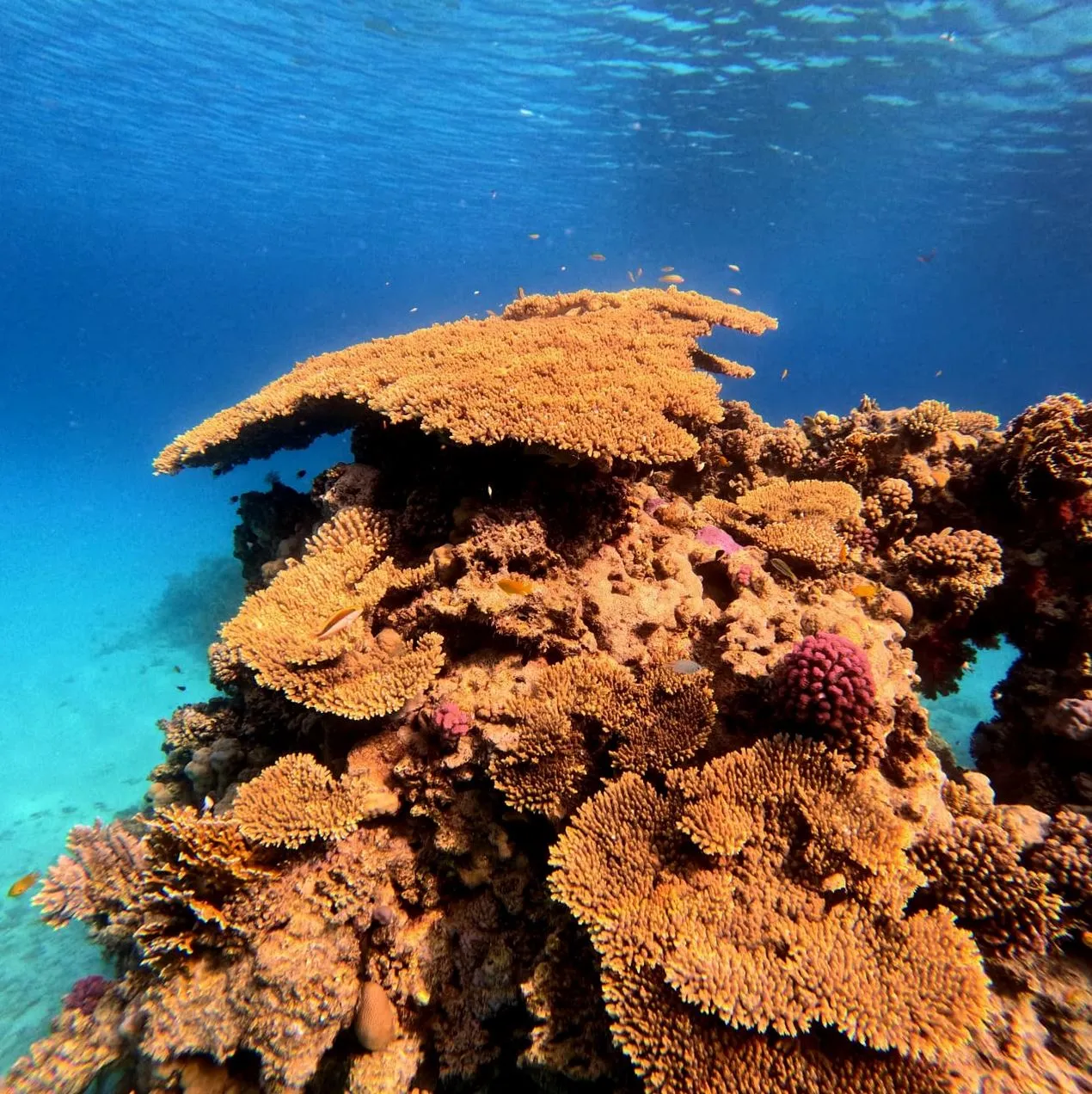
We’ve learned a thing or two from years of living and diving on the Reef – and here are some handy tips to keep in mind.
Book Morning Departures In The Wet
Afternoons are when the storms usually kick in, so get out there in the morning, and you’ll avoid the chop
Check The Wind Guru Before You Book
Especially if you’re heading out to the Coral Sea or Osprey Reef, you don’t want to get caught out
Pack The Right Gear
Don’t forget to bring a proper exposure suit – even in the tropics, 22 degrees water can feel mighty cool after a few dives
Liveaboard In The Dry Season
If you’re set on getting to the Ribbon Reefs, Osprey Reef and the deep Coral Sea, the dry season is the time to do it – the conditions are just reliable enough
Avoid School Holidays
Calmest months? Ha! You’ll be lucky to get on a boat if you’re trying to dive during the school holidays
Now that you know what the best diving season on the Great Barrier Reef is, you can choose the month that matches your style. If you’re unsure, operators like Great Barrier Reef Tour can point you to the best seasonal conditions for your diving goals.
FAQ
Can you scuba dive the Great Barrier Reef year-round?
Absolutely – you can dive the Reef in all seasons, even if the conditions do change a bit with the weather.
What month has the best visibility?
June to August, no question – the cooler water and steadier trade winds mean crystal clear seas.
Is the wet season unsafe for scuba diving?
Not at all – it’s not entirely safe, but the wind and rain can just make things a bit tricky. And don’t forget about stinger season – a proper stinger suit is a must-have for safety.
Does coral bleaching affect the best time to dive?
Bleaching varies by year and location. Large sections of the Reef — especially deeper coral cays, coolwater Ribbon Reefs, and Coral Sea walls — remain vibrant.
Is April a good month to dive?
Absolutely. Warm water, improving visibility, and calm conditions make it one of the most underrated months.