Are Drones Allowed in Uluru–Kata Tjuta National Park?
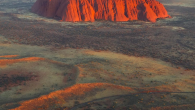
The question ‘ Are drones allowed in Uluru-Kata Tjuta National Park ‘ seems to pop up a fair bit more often than you’d think – and I get that. As someone who’s been guiding curious travellers through the Red Centre for years, I pretty well understand the fascination. Drones offer that bird’s eye view that most of us can only even dream of – wide sweeping shots over the rust red domes, the endless desert plains, and that massive sandstone monolith looking like it’s glowing from within at dawn. But here’s the thing: Uluru–Kata Tjuta National Park is a straight-up ‘no drones’ area – unless you’ve managed to get your hands on an official permit.
This isn’t just pointless red tape for the sake of it. The ban is all about showing respect, keeping visitors safe, and protecting the wildlife. Parks Australia enforce it under both drone laws and national park rules around drone usage, which fall under the Civil Aviation Safety Authority and the Environment Protection and Biodiversity Conservation Act. And most tour operators like Uluru Ayers Rock Tours make sure visitors are well aware of the restrictions before they even start their trip.
Why the Ban is There and What it’s Protecting?
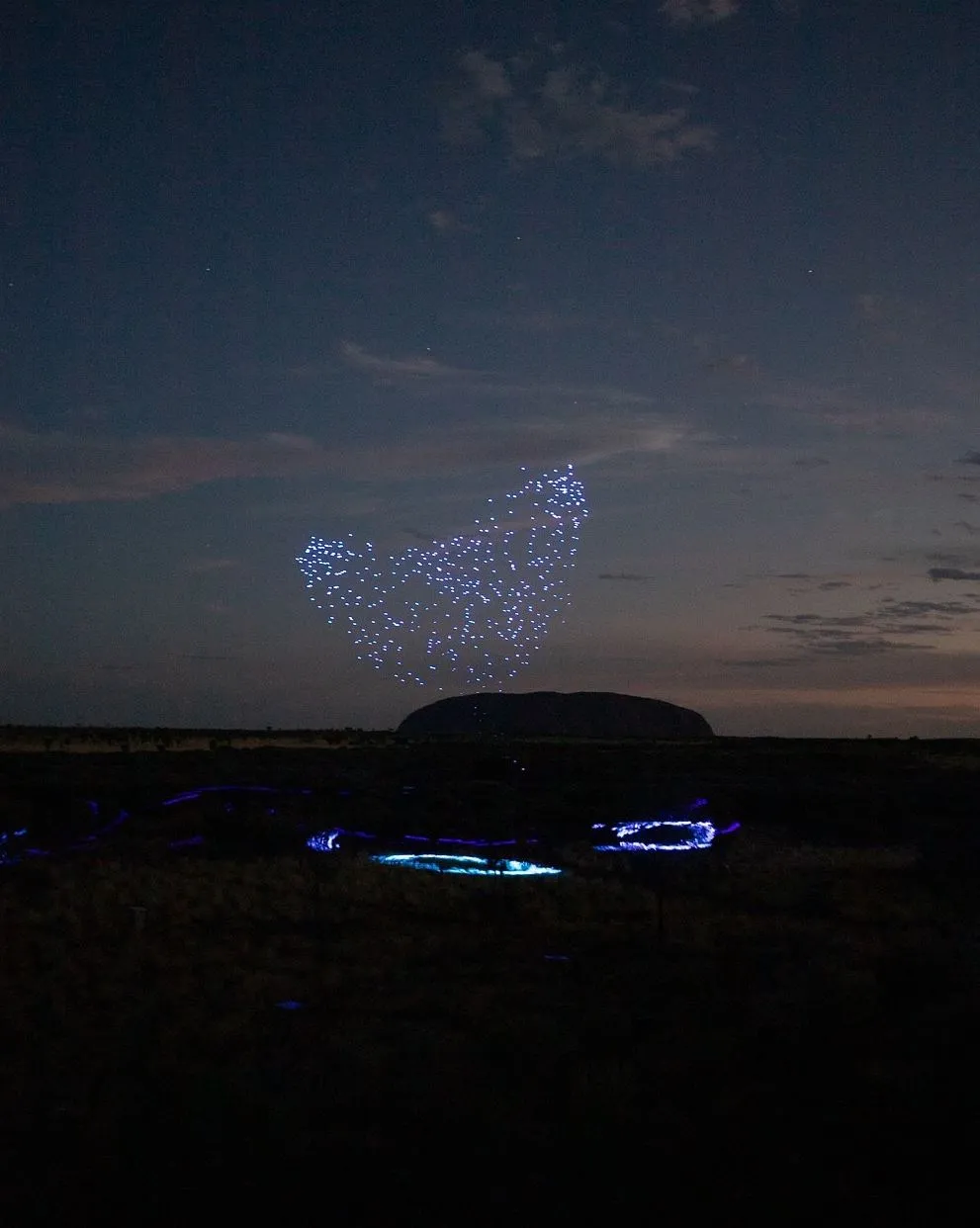
There are heaps of reasons for the no-fly rule at Uluru, and respect is at the heart of it all – for Country, and for the community. The Anangu people, who are the Traditional Owners of Uluru and Kata Tjuta, consider this land to be utterly sacred. The noise of drones, photography, and overflights can really interfere with cultural practices and ceremonies, as well as the peacefulness that makes the park so special.
Then there’s the wildlife. Drones are a big risk to native species – especially during breeding season. From wedge-tailed eagles right down to the tiny zebra finches, the sound and movement of drone propellers can really stress those birds out and disrupt their nesting patterns. Not to mention the risk of collision with the usual scenic flights and helicopter rides that operate over the park – it makes the rule make a lot more sense.
To cut a long story short: Drones are treated just like planes here, and it’s the same rule that applies to any other aircraft operator.
If you’ve been on a 4 day tour of Alice Springs and Uluru, you’ll probably get a run down on this by your guide before you even get to the park.
The Legal Side
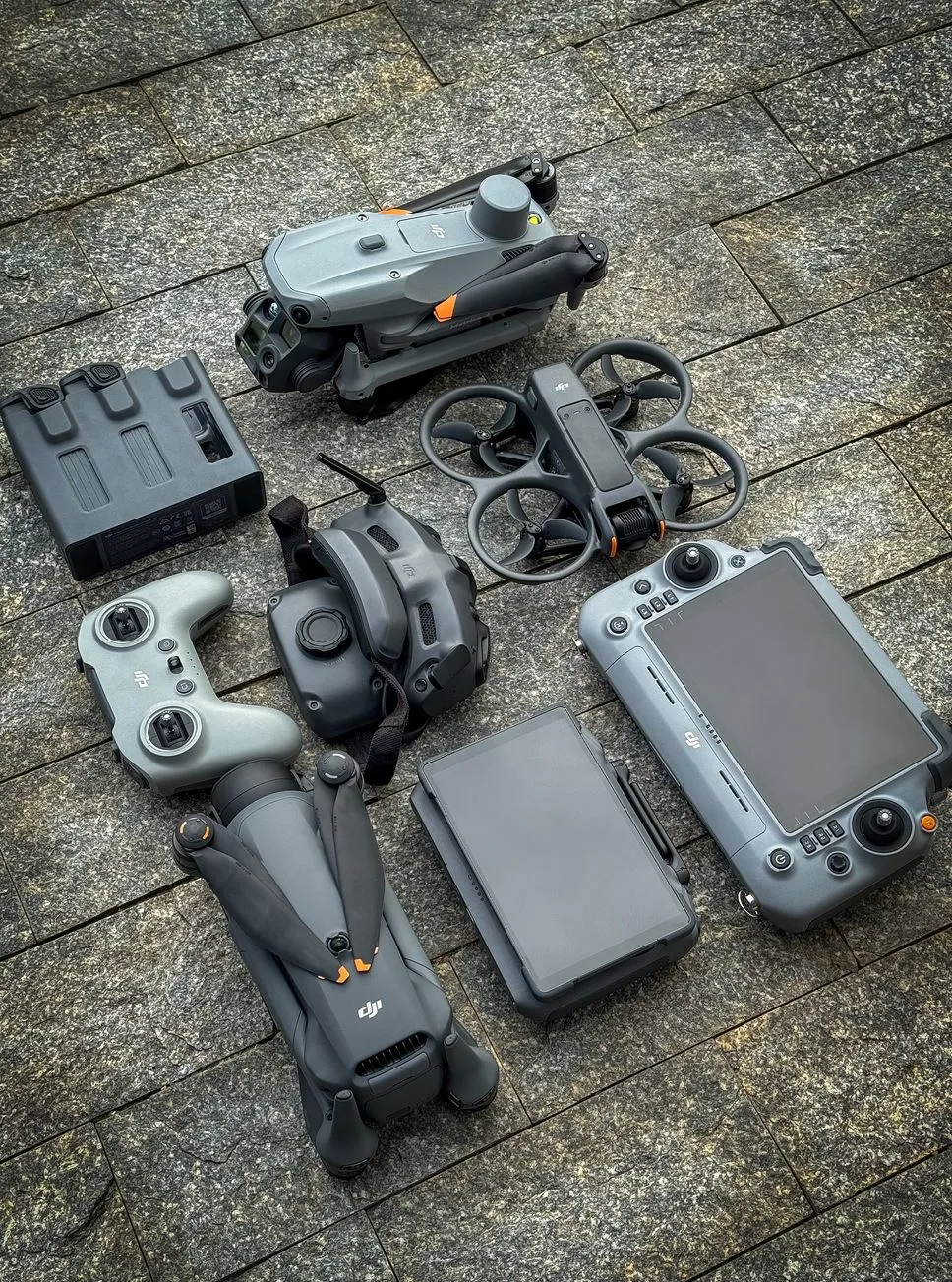
Before you slap that shiny new DJI ( or whatever your drone of choice is ) into a bag, take a moment to wrap your head around the whole mess of laws you’ll be dealing with. Here in Australia, CASA runs the show when it comes to drone laws, and it’s all governed by the Civil Aviation Safety Regulations (CASR) Part 101. But then you’ve also got Parks Australia to contend with, when you’re in national parks like Uluru–Kata Tjuta, and they’ve got their own set of rules that kick in.
Flying a drone without permission is pretty much the kiss of death – you could end up facing fines that leave a nasty dent in your wallet, and they’re talking upwards of $2,000 or more. You’ll also be seeing plenty of Enforcement officers patrolling the key visitor areas – and if they spot you flying a drone, don’t be surprised if they come over and have a quiet word.
Here’s a Snapshot of What You’re Going to Need to Do if You Really Want to Fly a Drone:
| Permit Type | Purpose | Who It’s For | Extra Notes |
|---|---|---|---|
| Operation of Aircraft Permit | Authorises the use of drones or aircraft over the park | Commercial operators | Must comply with CASA regs and Parks Australia guidelines |
| Photography Permit | Allows filming or photography for media or tourism purposes | Media crews, filmmakers | Often combined with the Operation of Aircraft Permit |
| Trade and Commerce Permit | For drone use tied to commercial ventures or promotions | Businesses, tourism operators | Requires evidence of public liability insurance |
| Research Permit | Grants access for scientific drone use | Universities, conservation teams | Strictly controlled to prevent interference with cultural areas |
Each permit application submitted to Parks Australia goes through a review process and must demonstrate that it’s been undertaken with cultural sensitivity, thorough risk management, and minimal environmental impact in mind. You’ll also need a valid park pass to even get into the park, regardless of what you’re planning on doing there.
Can You Fly for Recreation in National Parks?
If you’re just a tourist trying to capture some holiday snaps, I’ve got some bad news for you – recreational drone use is not allowed inside the park borders. That includes even the smallest of hobby drones.
But don’t pack it away just yet. Outside of the national park, there are several regions in the Northern Territory where you can fly a drone responsibly. Places like Curtin Springs Station or parts of the Petermann Ranges can give you a similar desert landscape – and without breaking the rules. Just make sure you double-check the CASA app (Can I Fly There?) to make sure you’ve got the okay to fly in that particular area.
If you’re really desperate to get that aerial shot of Uluru, then a helicopter ride from Yulara is probably the best legal and ethically sound way to do it. Ops like Professional Helicopter Services and Ayers Rock Helicopters offer short scenic flights that won’t get you into trouble – and the view is every bit as breathtaking as you’d expect.
Travellers who do take part in an Uluru Ayers Rock Tours experience often include one of these flights in their itinerary, so they get to see the view of a lifetime without crossing any cultural or legal boundaries.
The Role of Modern Technology in Conservation
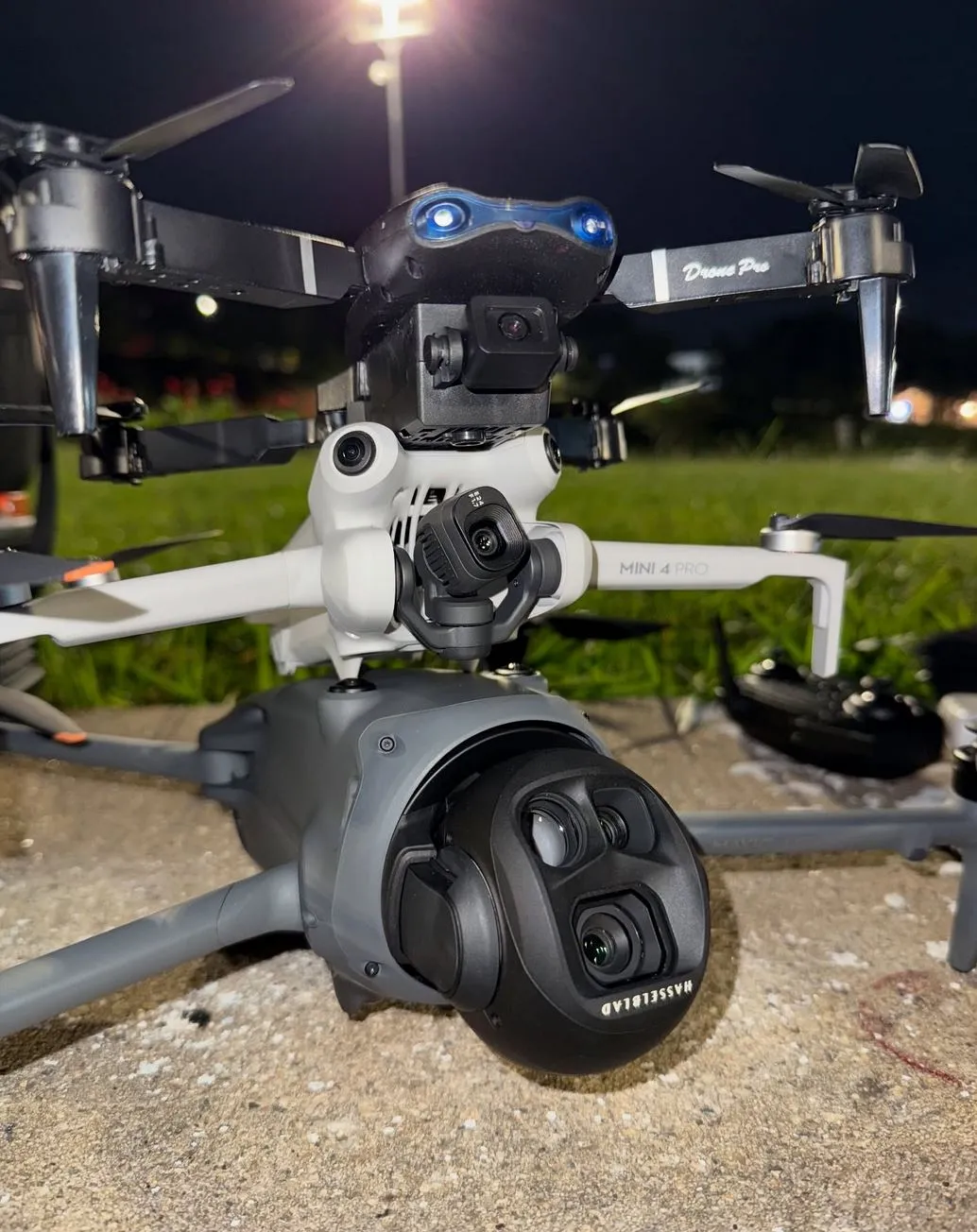
Now, while tourists can’t fly drones at Uluru, it doesn’t mean drone technology is completely unwelcome. In fact, Parks Australia and research teams do use them for conservation and monitoring work – but under controlled conditions, with the right permits and all that jazz. Drones help track vegetation changes, erosion patterns and wildlife populations.
Across other marine parks and protected areas in Australia, similar tech is being used to help scientists survey reef health and coastal erosion – again, all under strict regulations, with trained professionals and safety buffers in place.
So yes, drones do have a role to play in protecting the environment – it’s just that tourists can’t get involved in that without following the rules.
Respecting the Culture and Country
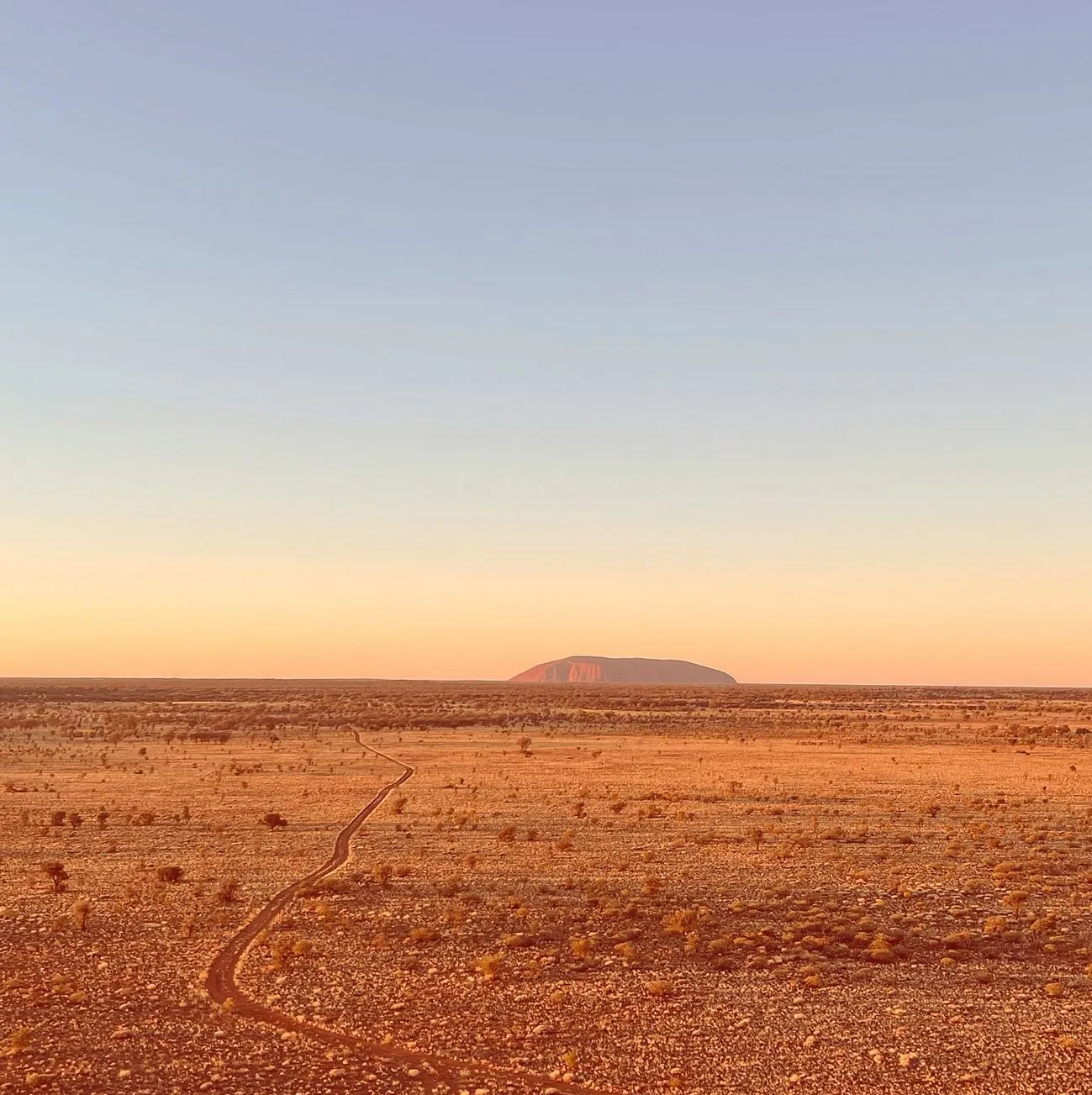
The Anangu people, the people who have a traditional connection to Uluru and Kata Tjuta, see those rock formations as living beings connected to the Dreaming (Tjukurpa). Certain parts of the rock and surrounding land are totally off-limits for photography. That extends to aerial images too, as you can still capture areas that shouldn’t be filmed or shared from up high.
I’ve seen firsthand how much of a hassle it is for rangers when people take photos of areas that shouldn’t be photographed, and then they have to spend ages asking people to delete the images. The no-drone rule just makes things simpler for everyone.
When you visit, just remember that leaving your drone at home keeps the experience grounded and respectful. That’s something worth more than just a few extra likes on social media.
On our 4 Day Alice Springs Uluru Tour, we make sure to hammer home this message to our travellers so they leave knowing the rules and why they’re in place.
Where You Can Fly Near Uluru
If you want to test your drone skills in the outback, a few places near the national park allow for recreational flights — as long as you follow CASA’s rules:
- Curtin Springs Station (about 85 km east of Uluru) — private land, permission needed from the owners.
- Watarrka National Park (Kings Canyon) — drones not allowed within the park, but permitted in some surrounding pastoral areas.
- Coober Pedy region — South Australia’s opal fields and desert mounds are great for filming with fewer airspace restrictions.
Always fly below 120 metres, stay 30 metres away from people and avoid aircraft flight paths or wildlife zones. The desert is big — you’ll find plenty of space without crossing the line.
What Happens If You Break the Rules?
Ignorance is not an excuse here. Rangers and police can confiscate your gear, give you an on-the-spot fine or even prosecute you under the EPBC Act. In 2023 alone, Parks Australia reported several drone incidents in restricted zones with penalties ranging from warnings to multi-thousand-dollar fines.
If you’re running a commercial drone operation without the right permits, you could also breach CASA’s aviation laws and face penalties up to $15,000. Add in potential bans on future applications, and you’ve got yourself a costly lesson in drone use rule enforcement.
Flying Alternatives — Helicopter and Scenic Flights
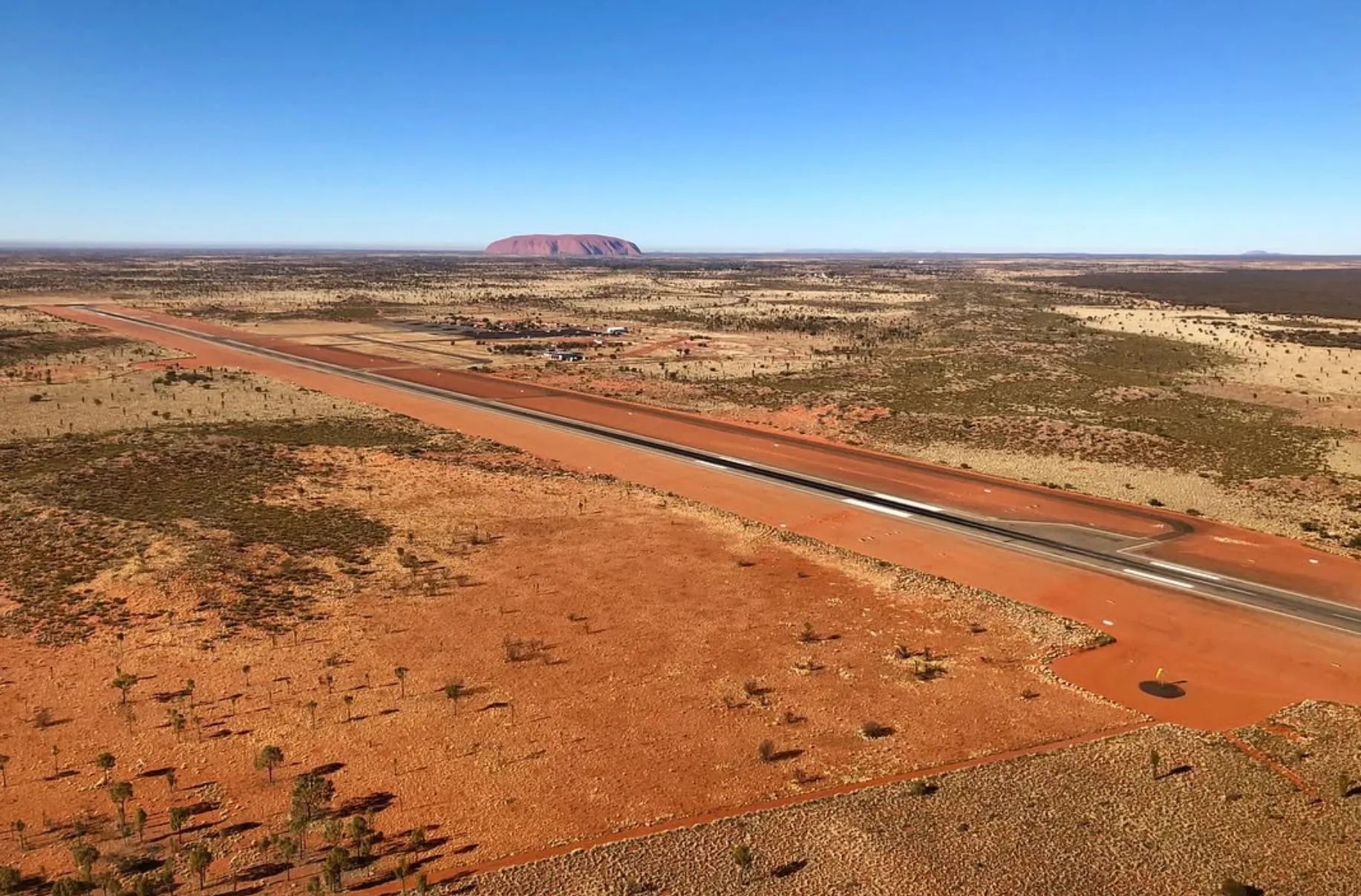
If you want that aerial shot, helicopter rides and fixed-wing scenic flights from Yulara Airport (Connellan) are your ticket. They’re fully licensed, culturally sensitive and super safe. Operators maintain altitude buffers above restricted areas and coordinate with Parks Australia to avoid noise and privacy intrusions.
Flights cost between $150-$300 per person for 15-30 minutes, with longer sunset tours available for those who want to splurge. Trust me — I’ve flown as a passenger and guide, and the scale of Uluru from the air is humbling.
Joining a 4 Day Alice Springs Uluru Tour that includes a flight option is a great way to do it legally and ethically.
Travel Tips for Uluru
If you’re bringing a drone to Uluru–Kata Tjuta, here’s what you need to do:
- Don’t fly, land or operate in the park.
- Keep it in your car or accommodation to avoid confusion.
- Use the CASA app to find approved areas to fly outside the park.
- Apply early if you need a permit for filming or research — it can take weeks to process.
- Follow Traditional Owner guidelines for filming and photography.
- Got commercial plans? Contact Parks Australia’s Media and Filming Office for aircraft permit, photography permit or trade and commerce permit requirements.
Stats and Safety
So, to put it in perspective, Parks Australia manages over 60 national and marine parks, and most have partial or full drone restrictions. Here are the numbers:
| Category | Approx. % of Parks with Drone Bans | Primary Reason for Restriction |
|---|---|---|
| National Parks | 75% | Cultural protection, wildlife disturbance |
| Marine Parks | 65% | Wildlife monitoring and vessel interference |
| Heritage Reserves | 50% | Privacy, cultural heritage, and safety |
So three-quarters of national parks in Australia don’t allow drones without permits. Uluru–Kata Tjuta is at the strict end of the spectrum.
Flying Smart, Travelling Smarter
Standing at the base of Uluru, camera in hand, I get why people want to send up a drone. The perspective is magic. But as travellers, we have a responsibility to tread lightly. Are drones allowed in Uluru–Kata Tjuta National Park? No — and that’s exactly how it should be.
Rules like these don’t take away from the experience — they preserve it. They keep sacred sites safe, wildlife undisturbed, and visitors connected to the land in the way it was meant to be experienced: on foot, not through a lens.
If you’re after those wide, cinematic shots, go for a helicopter ride, apply for the right permits or explore drone-friendly areas nearby. You’ll still get your moment — without breaking a single rule.
Whether you’re joining Uluru Ayers Rock Tours or setting off on your own 4-Day Alice Springs Uluru Tour, respecting these drone rules helps keep the park open, safe and culturally sound for everyone.
Got questions about drone rules or planning your NT trip? I’m Paul Beames — founder of Get Lost Travel Group — and my team and I are always happy to help you navigate Australia’s wild heart, respectfully and responsibly.
FAQ
Can I fly my drone inside Uluru–Kata Tjuta National Park?
No. All drone flights — recreational or commercial — are prohibited unless you’ve been granted an operation of aircraft permit or related approval from Parks Australia.
How do I apply for a drone permit in Uluru?
You’ll need to contact Parks Australia with details of your project. Applications typically require proof of insurance, risk assessments and cultural clearance. Expect several weeks for processing.
Are drones allowed in other Northern Territory parks?
Some NT parks allow limited recreational drone use in open areas, but most still require permission. Always check local management plans before flying.
What’s the penalty for illegal drone flying in Uluru?
Fines can exceed $2,000 for individuals and $15,000 for commercial breaches under combined drone laws and EPBC regulations.
Are there alternatives for aerial photography at Uluru?
Absolutely. Licensed scenic flights and helicopter rides from Yulara offer stunning, legal views of Uluru and Kata Tjuta — without breaching cultural or legal boundaries.