What Time of Year Are Waterfalls in the Blue Mountains Most Active?
What time of year are waterfalls in the Blue Mountains most active? That’s a question I get asked all the time from travellers planning their Sydney side trips. As Paul Beames — founder of Get Lost Travel Group and a lifelong fan of misty mountain mornings — I’ve stood under plenty of these cascades through every kind of weather. And let me tell you, timing is everything.
The Blue Mountains’ waterfalls aren’t powered by magic (though they sure look like it at sunset). They run on rainfall — and that means their strength, sparkle and sheer drama shift with the seasons. Whether you’re planning to photograph Wentworth Falls in full flight or find a quiet plunge pool near Katoomba, understanding the local climate can turn a good trip into a great one.
Many travellers book Blue Mountains Tours to make the most of their visit — these guided trips often include the top lookout points, local food stops and the best vantage spots for those roaring cascades.
The Secret to Spectacular Waterfalls: It’s All About Rainfall
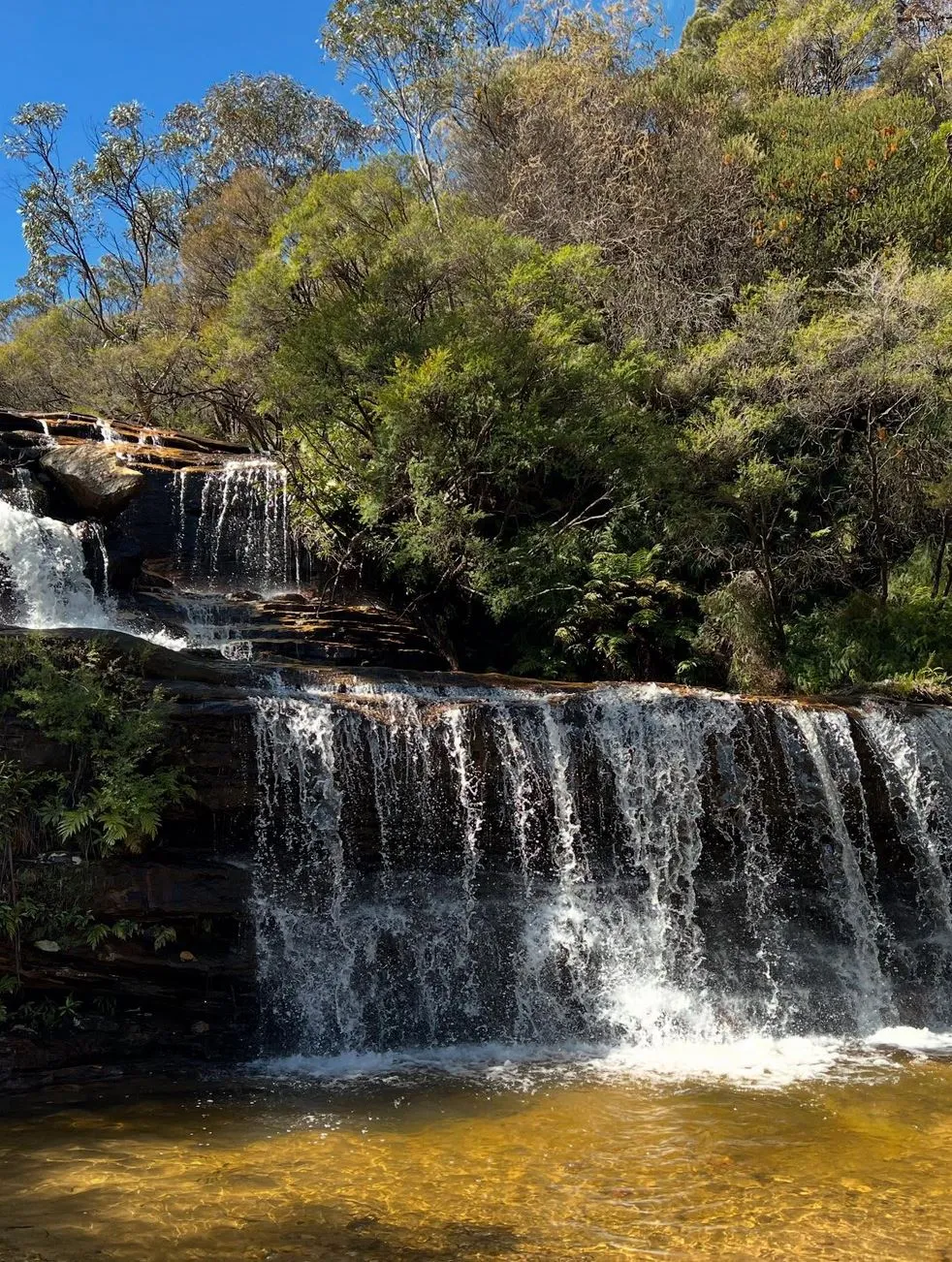
The Blue Mountains are famous for their moody weather — one minute you’re hiking through mist, the next you’re drying your camera lens in the sun. But when it comes to waterfalls, more rainfall equals more action.
Rainfall in this UNESCO-listed wonderland is pretty evenly spread throughout the year, but autumn and early winter are the sweet spot. From March to July, the mountains get frequent showers that keep the creeks flowing and the cliffs streaked with white ribbons of water.
| Month | Average Rainfall (mm) | Waterfall Activity |
|---|---|---|
| January | 110 | Moderate – humid storms |
| February | 130 | Strong – summer rain bursts |
| March | 120 | High – steady flow begins |
| April | 115 | Peak season starts |
| May | 100 | Excellent – consistent cascades |
| June | 95 | High – clear air and heavy runoff |
| July | 80 | Still strong – cooler, mistier |
| August | 75 | Moderate – dry season building |
| September | 70 | Low – early spring lull |
| October | 85 | Moderate – storms return |
| November | 95 | Rising again |
| December | 105 | Strong – start of storm season |
Source: Bureau of Meteorology, NSW Climate Data (2024)
You’ll notice the pattern — autumn through early winter gives you the perfect mix of rain and clear days. Summer brings big afternoon storms (great for drama, not for safety), while late winter and spring dry out the creeks.
Many Blue Mountains Tours run during this period to show off the waterfalls at their best, often including scenic drives through Leura and Blackheath.
Autumn: The Best Time for Full-Flow Falls
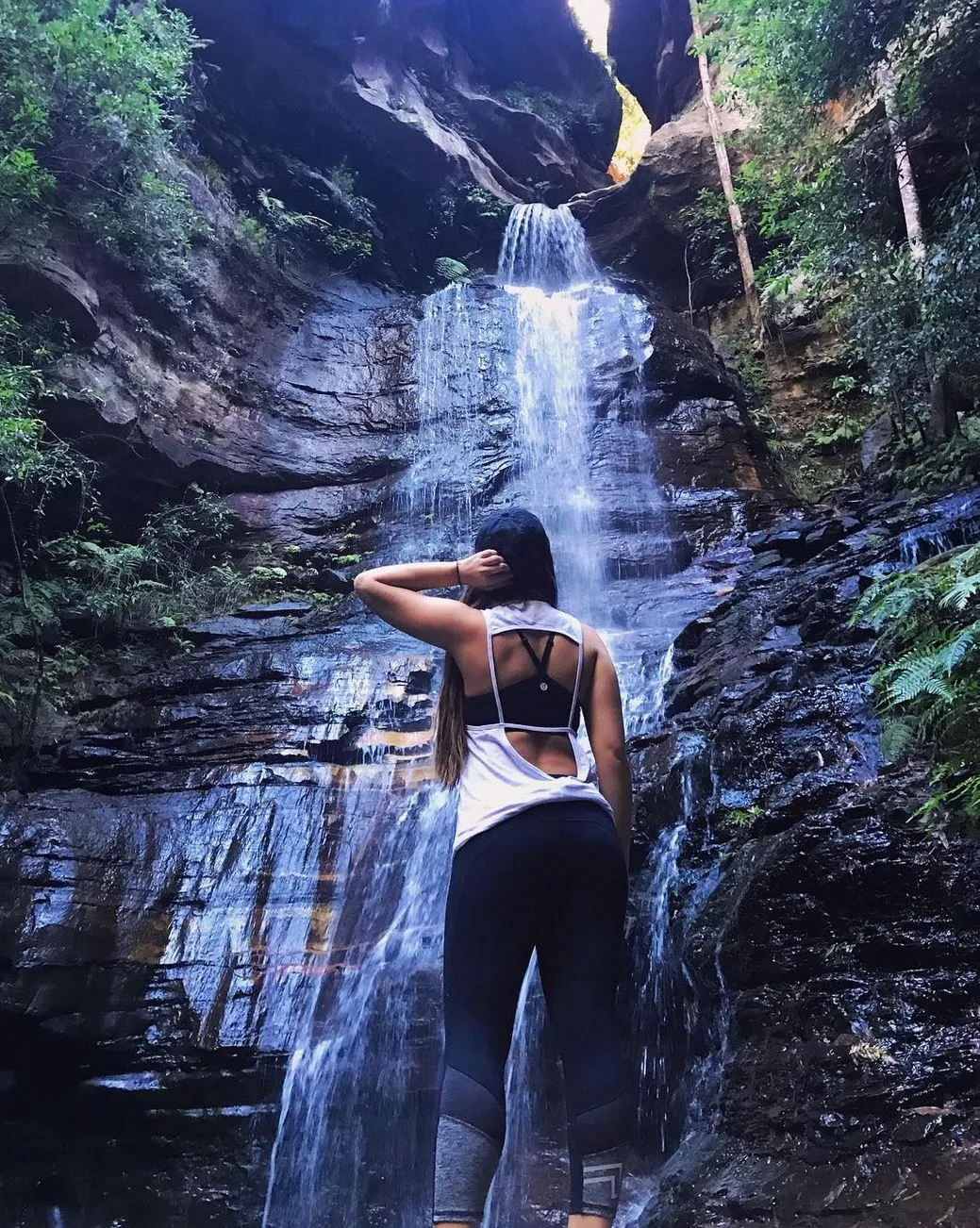
By March, the summer heat has eased, the air smells of eucalyptus after rain, and the tracks are less crowded. This is when waterfalls like Wentworth, Leura and Govetts Leap really get going.
You’ll find the pools full, the mosses green and that thunder of water echoing down the escarpments. The cooler air means better hiking conditions — fewer flies, no heat, and those moody mountain mists that photographers go nuts for.
A few of my autumn faves:
- Wentworth Falls (Wentworth Falls Village): Easy access, epic views, roaring in April.
- Gordon Falls (Leura): Often overlooked but puts on a good show in April-May.
- Empress Falls (Valley of the Waters): A must for canyoners — best in late autumn when flow is strong but safe.
Many of these walks go past striking rock formations and weathered sandstone cliffs, with metal staircases bolted into the escarpment to help you get to the best lookouts. The Waterfall Circuit Walk around Wentworth Falls is one of the most dramatic in NSW, and you can feel the ancient geology beneath your feet.
Travellers joining Blue Mountains Tours in autumn often find this the best time — the waterfalls are at their best and the tracks are safest.
If you want that “thundering curtain” shot, autumn is the season.
Winter: Crisp Air, Misty Valleys and Strong Streams
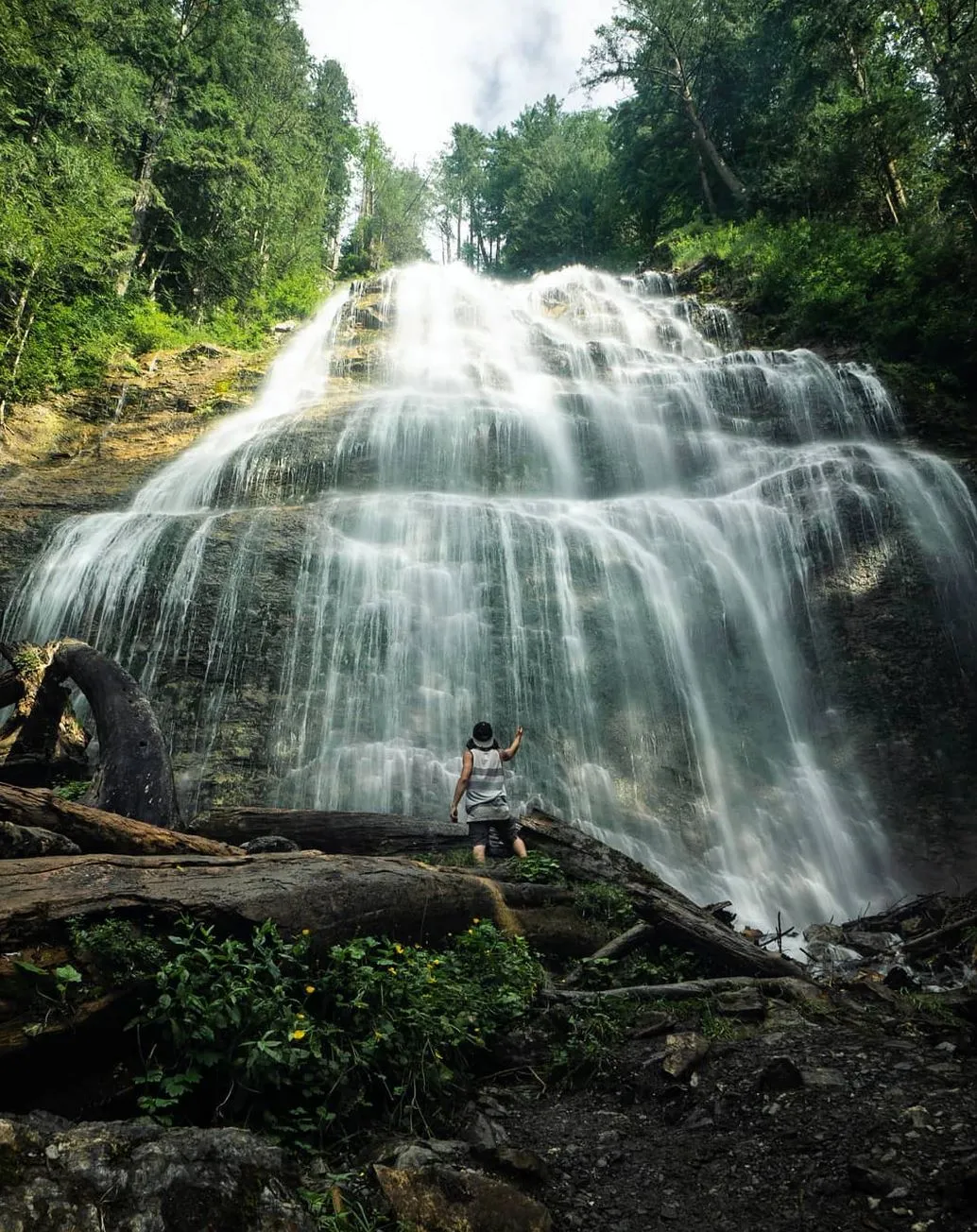
Winter in the Blue Mountains is cold enough to make your fingers go numb while tying your bootlaces, but it’s magic for waterfalls. June and July bring crisp days, low fog in the valleys and runoff from steady rain higher up the plateau. This is also the time of year you’ll get those misty layers in your photos — that classic Blue Mountains mood. The trade-off? Some tracks can be slippery, especially around Wentworth or Grand Canyon walks, so pack your common sense (and a dry pair of socks).
Winter highlights:
- Govetts Leap Lookout, Blackheath: The valley view with Bridal Veil Falls below is stunning after rain.
- Katoomba Falls by night: The council’s lighting display runs year-round, but in winter, the cooler air makes the mist glow gold.
- Minnehaha Falls: Quieter in winter, strong flow and fewer crowds.
A thermos of hot tea and a beanie are essential kit this time of year. The mornings can be near freezing, but once the sun hits the escarpment, the whole place comes alive. Blue Mountains Tours often provide transport between lookouts — a blessing when it’s too cold to walk far.
Summer: Wild Weather, Flash Floods, & The Brief, Brilliant Show
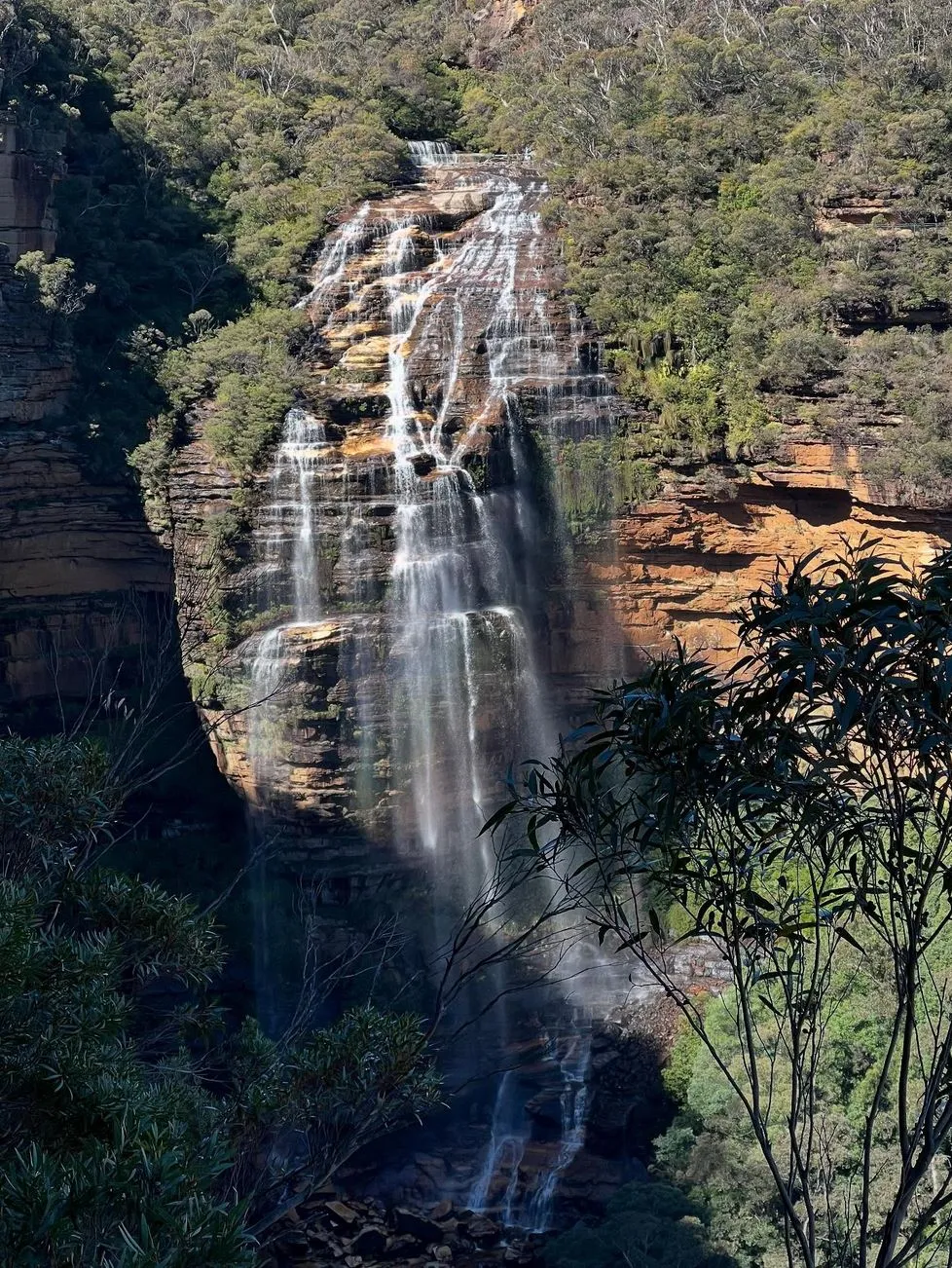
Now that we’ve covered the downpours of winter, let’s flip to the other side of the calendar – summer. From December through February, you’ll get these intense tropical-style storms that dump a ton of rain in a very short amount of time. When that happens – for a few hours or a couple of days – the waterfalls just come alive. But don’t get your hopes up – it won’t last long.
These are the times when flash flooding is the most hazardous. Canyoning routes get closed off, trails get washed out, and the humidity makes even the shortest of hikes feel like you’ve run a marathon.
Still, if you happen to be in the right place at the right time after a storm, you’re in for a real treat:
- Katoomba Falls becomes this stunning torrent visible all the way from the Scenic Skyway.
- Leura Cascades is pretty much a thundering, photogenic cascade – but be careful with those slick rocks.
- Wentworth Falls is at its loudest, and if you can handle a bit of a hike, it’s pretty breathtaking – just be aware that access might get restricted after all the heavy downpours.
If you’re chasing waterfalls in summer, check the NSW Parks Alerts before you head out. Trust me – you don’t want to be halfway down the National Pass when a storm just rolls in out of nowhere. The tours you book here at this time often have flexible itineraries that adapt to the crazy-changing weather.
Spring: The Season of Quiet Waterfalls, Blooming Beauty
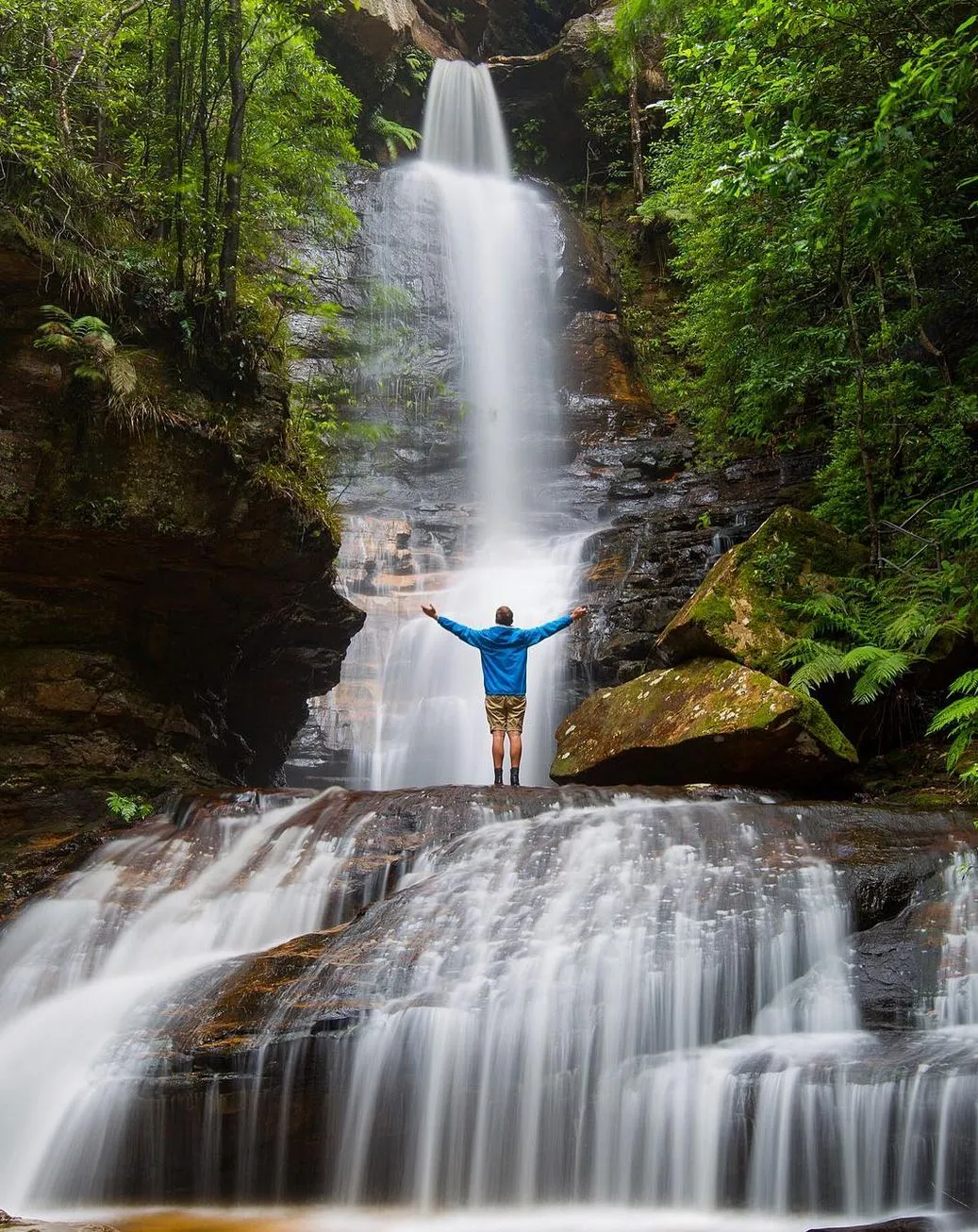
By September, the waterfalls have shrunk back right down to a pleasant little trickle. But don’t write spring off just yet – it’s actually a fantastic time for wildflowers and birds. The creeks are still running – just a lot slower – and the walking tracks are nice and dry.
If you’re after a peaceful, low-key hike with fewer tourists, this is the season to be in. Leura’s Everglades Gardens, Narrow Neck Plateau, and the Grand Canyon track near Blackheath are all just fantastic this time of year. The falls may not be as big as they are in the wet season, but the air is filled with the sweet scent of wattle and tea tree blossoms.
Lots of visitors actually come up here in spring just to explore Katoomba’s art galleries or to sit and take in the view at one of the scenic lookouts between walks. If you’re a photographer, spring’s your friend – clear light, fewer shadows and the most gorgeous golden mornings. Some Blue Mountains Tours even combine visits to local galleries and cafes with short nature walks—the perfect combo of culture and scenery.
Pro Tips for Waterfall Hunters
Here are a few field-tested lessons from someone who’s had their fair share of getting soaked:
- Make sure to pack a good rain jacket and a lens cloth. Even a light drizzle can quickly ruin your camera gear.
- Try to avoid the weekends if you can. Midweek mornings are usually the quietest time for photography and parking.
- Watch your step. Moss-covered sandstone can be just as slippery as ice after it rains.
- Take note of the access signs. Some of these lookouts are right on the edge of a 100 metre drop – they’re put up for a reason.
- Check the NSW National Parks alerts for any closures or rockfall warnings.
- And if you’re joining one of our small group Blue Mountains Tour packages, our guides will plan it so you get the best flow – we’ve spent enough years out here to know which gullies are going to run the hardest after a big rain.
Quick Waterfall Flow Guide by Season
| Season | Average Flow Strength | Best For | Caution |
|---|---|---|---|
| Summer | Variable – bursts of high flow | Dramatic photos after storms | Flash floods, heat |
| Autumn | Consistent and strong | Ideal balance of safety and spectacle | Occasional leeches |
| Winter | High and misty | Crisp light, canyoning, photography | Cold mornings |
| Spring | Moderate to low | Hiking, wildflowers, clear skies | Low water levels |
Cultural Respect and Local Custodians
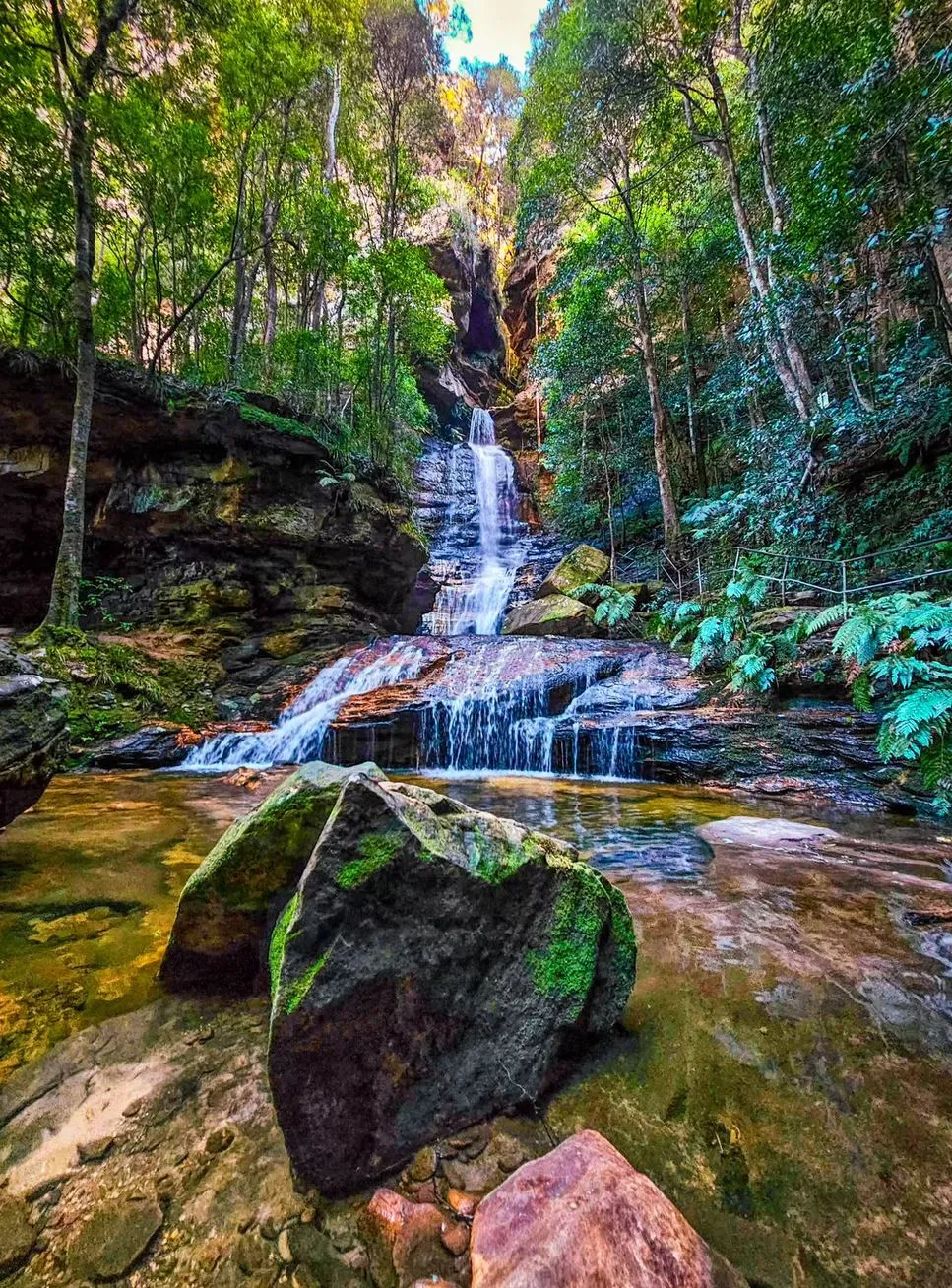
The Blue Mountains are on Gundungurra and Darug Country. Many of the waterfalls — including Wentworth and Empress Falls — are part of Dreaming stories and sacred Country. When you visit, tread gently. Stay on marked tracks, don’t touch rock art and follow local cultural guidance. The water that feeds these falls has been flowing through the Country for thousands of years — it’s more than just a photo opportunity.
Planning Your Trip Around the Flow
If you’re coming from Sydney, timing your visit is as easy as checking the weather radar. After 2-3 days of rain, head up the Great Western Highway — by the time you get to Leura, you’ll hear the creeks singing.
For the best experience:
- March to June for guaranteed flow and minimal crowds.
- Stay overnight in Katoomba or Blackheath to catch the early morning light.
- Bring layers — the temperature can drop 10°C between town and lookout.
- If you’re canyoning, book with a licensed guide; some routes require permits.
That’s the kind of planning that separates a drizzly disappointment from a real mountain adventure. Many Blue Mountains Tours have local guides who track rainfall and flow levels daily to ensure visitors see the falls at their best.
Final Thoughts: Let the Mountains Set the Pace
Waterfalls in the Blue Mountains have moods — just like the weather up there. Some days they’re wild and roaring; others, they’re quiet enough to hear lyrebirds calling through the mist. Either way, it’s all about timing and respect for the elements.
If you come in autumn or winter, you’ll see the region at its best — fresh air, full falls and that unmistakable scent of wet eucalyptus. And if you need a hand planning your trip or want to join one of our small-group adventures through the Blue Mountains, my team at Get Lost Travel Group has routes timed to catch the falls at full volume.
So pack your boots, bring your sense of adventure and let the mountains do the rest. You’ll see why so many travellers keep coming back for another Blue Mountains Tour.
Written by Paul Beames, founder of Get Lost Travel Group. Helping travellers discover Australia’s real, raw and rewarding side — one muddy track at a time.
FAQ
Are the Blue Mountains waterfalls open all year?
Yes — but their flow varies seasonally. Most are open year-round, though heavy rain or maintenance can temporarily close tracks.
What’s the best time for canyoning near waterfalls?
Late autumn and early winter (April–June) is best for stable flow and cooler temperatures.
Can I swim under Blue Mountains waterfalls?
Some, like Minnehaha Falls, allow swimming — but check the signs and don’t swim after heavy rain due to strong currents.
Are there any wheelchair-accessible waterfall lookouts?
Yes. Scenic World at Katoomba and Govetts Leap Lookout in Blackheath both have wheelchair-friendly views.
Do I need a park pass to visit Blue Mountains National Park?
Most areas are free, but some car parks (like Wentworth Falls) may require a small daily fee — check the NSW National Parks website for details.