Is Colour Theory Taught in Cosmetic Tattoo Courses?
When clients ask us, “Is colour theory taught in cosmetic tattoo courses?” our answer is a big yes — or at least it should be. As Uliana Kasperska and Anastasia Petkov, Brisbane-based cosmetic tattoo artists with over 15 years of collective experience in the professional tattooing industry, we can confidently say that colour theory isn’t just a footnote in cosmetic tattooing — it’s foundation.
At Cosmetic Tattoo Studio Brisbane Face Figurati, we’ve built our reputation on precision, education and results that actually heal well. Our cosmetic tattoo training is based on proven technique, not trends.
Why Colour Theory Matters More Than You Think
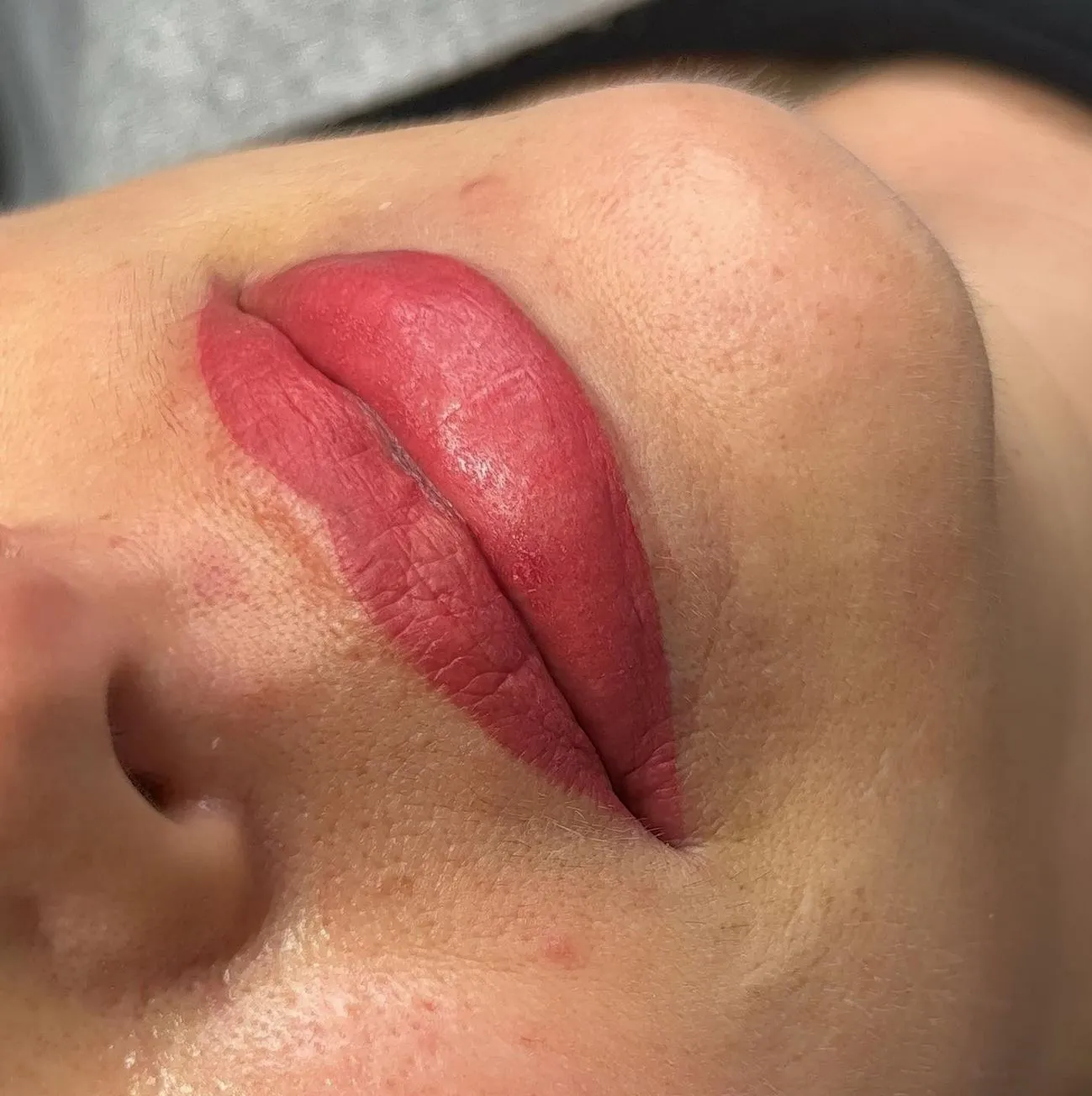
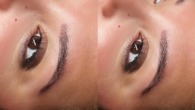
Permanent makeup isn’t paint-by-numbers. Skin is unpredictable, undertones shift and healed results rarely match the fresh pigment on the day of treatment. Without proper pigment selection and understanding of base undertones, you risk delivering results that heal too ashy, too orange or just plain off. We’ve had clients come in from other salons with brows turned grey or lips that never settled properly. Nine times out of ten? It comes down to poor pigment choice and a cosmetic tattoo trainer who didn’t understand how colour interacts with undertones, age or client skin types.
What’s Actually Covered in a Quality Course
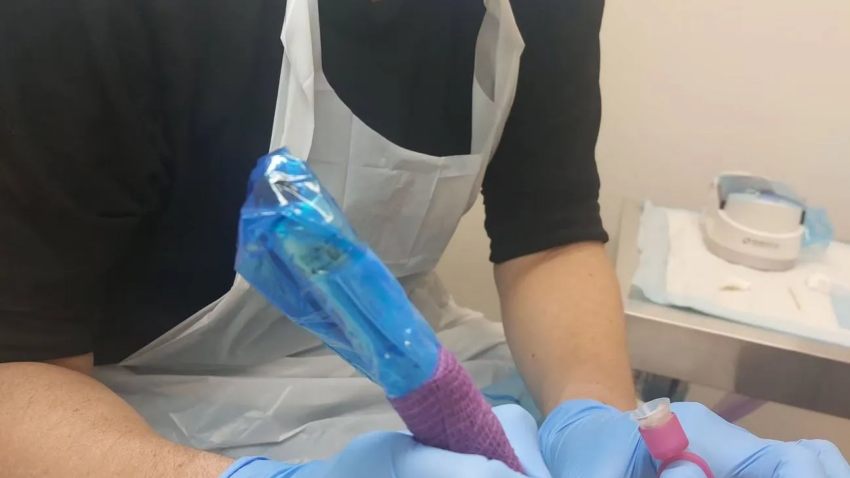
A good cosmetic tattoo courses in Brisbane (or anywhere, really) should cover more than just how to hold a tattoo machine. At Cosmetic Tattoo Studio Brisbane Face Figurati, our curriculum includes:
- Fitzpatrick scale and pigment retention across skin tones
- Undertone identification (warm, cool, neutral)
- Pigment colours: organic vs inorganic pigments
- Colour correction strategies and lip neutralisation
- Neutralising unwanted tones (e.g. blue, red, green brows)
- Healing process and oxidation stages of pigments
- How lighting affects pigment perception
- How lifestyle, age and medication influence pigment retention
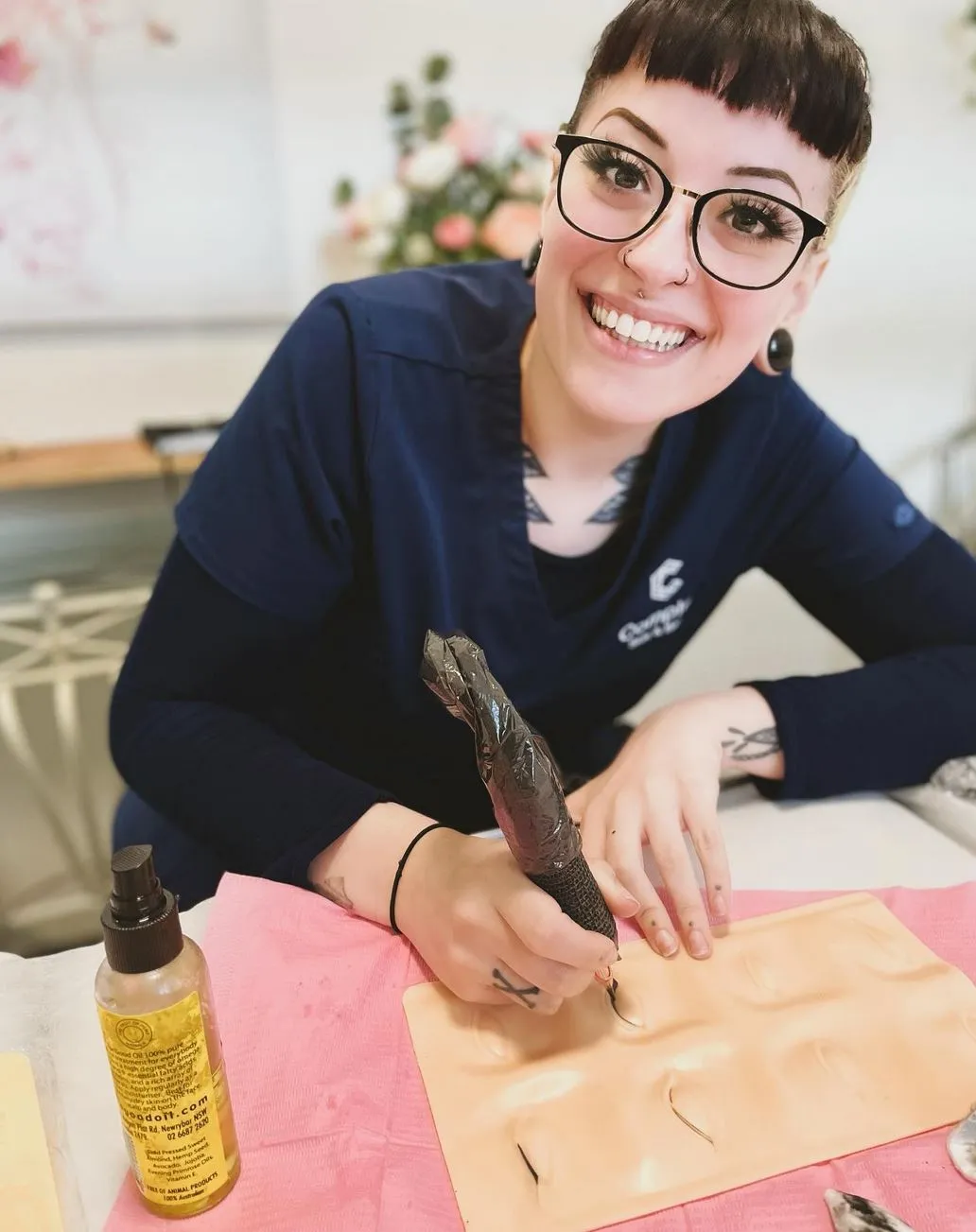
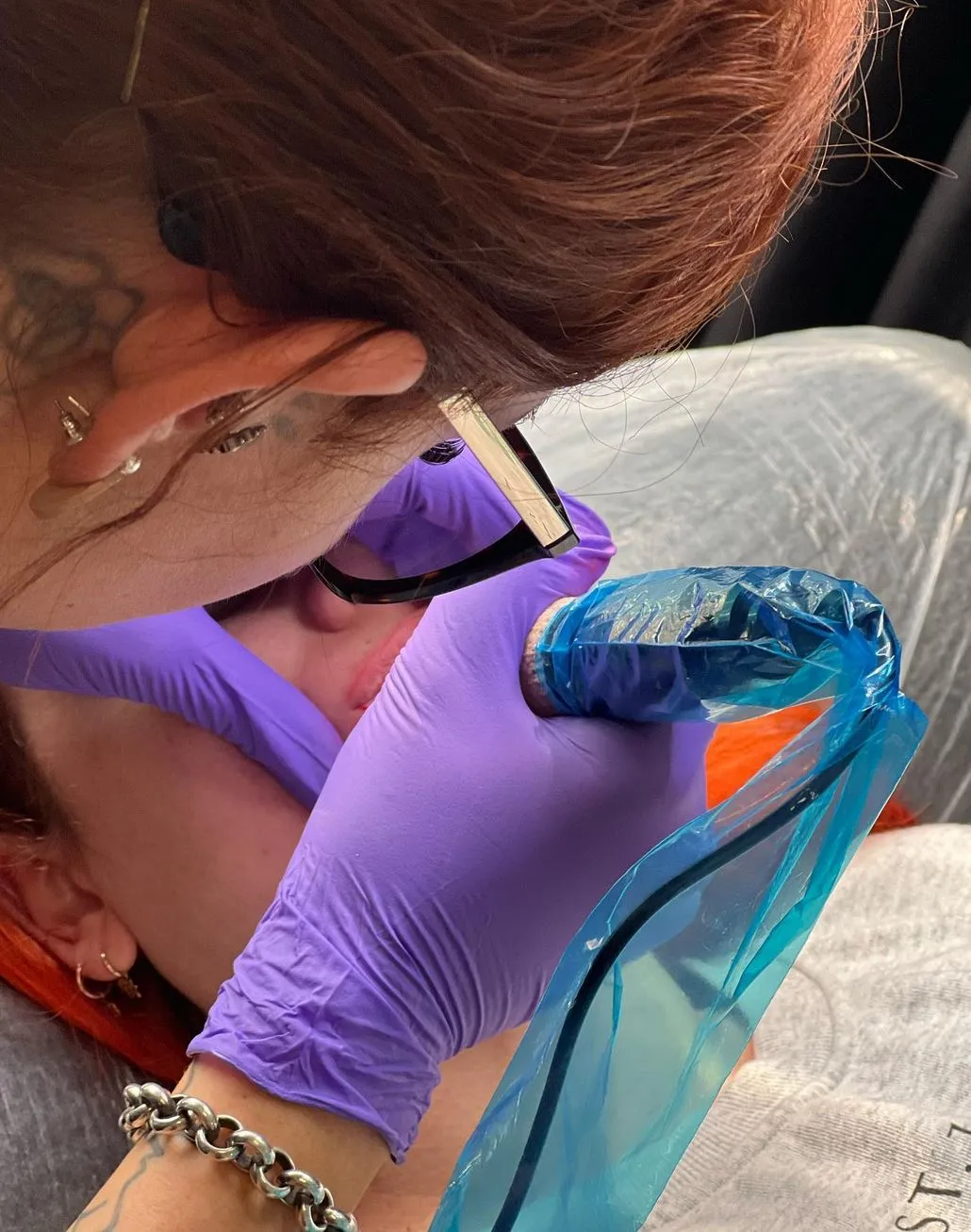
And it should be reinforced with live models, visual recording, treatment plans and latex practice sessions.
Real Studio Moments: Theory Meets Practice
We’ve seen it all in our Brisbane studio. Like the time we fixed a client’s old microblading that had gone bluish grey on her olive skin. She had oily skin, which means faster fading and cool undertones pulling the pigment even bluer. Our fix? A warm, orange-based modifier to cancel the grey, followed by custom mixed brow pigment suited to her undertones and skin behaviour. Without understanding colour theory, that wouldn’t have been possible — especially with machine-based techniques taught in our cosmetic tattoo training modules.
Course Quality Varies: Do Your Homework
Not all eyebrow tattoo courses or microblading courses are created equal. Some spend more time pushing cosmetic tanning products and training manuals than teaching industry techniques or infection control standards. Look for cosmetic tattoo trainers who are still working artists, who understand healed results, and who teach you to think, not just follow stencils. Ask if the curriculum includes healed pigment case studies, live eyeliner tattooing demos, machine technique for Nano Hairstrokes, and Fitzpatrick-based pigment planning. If they can’t answer confidently? Walk away.
Table: What to Expect from Colour Theory Modules
| Training Component | Why It Matters |
|---|---|
| Fitzpatrick Skin Typing | Tailors pigment choice to melanin levels |
| Undertone Mapping | Prevents unflattering or off-target healed tones |
| Pigment Composition | Helps predict fadeout, retention, and healing behaviour |
| Correction & Neutralisation | Essential for fixing old work or tattoo discolouration |
| Healed Case Studies | Shows what real-life results look like post-oxidation |
| Colour Theory in Lip vs Brow Work | Each area reacts differently; it needs separate guidance |
Brisbane Considerations: Our Climate & Skin Types
We work with a diverse client base here in Brisbane — from fair, sun-sensitive skin to deep, melanin-rich tones. Our high humidity also affects the healing process. Sweating, swimming, and UV exposure all impact pigment behaviour. That’s why our training (and practice) includes tailored colour theory for Queensland conditions. A pigment that looks perfect in a Perth studio might heal totally differently in Brisbane’s subtropical heat.
Trends vs Truth: The Myth of “Universal Pigments”
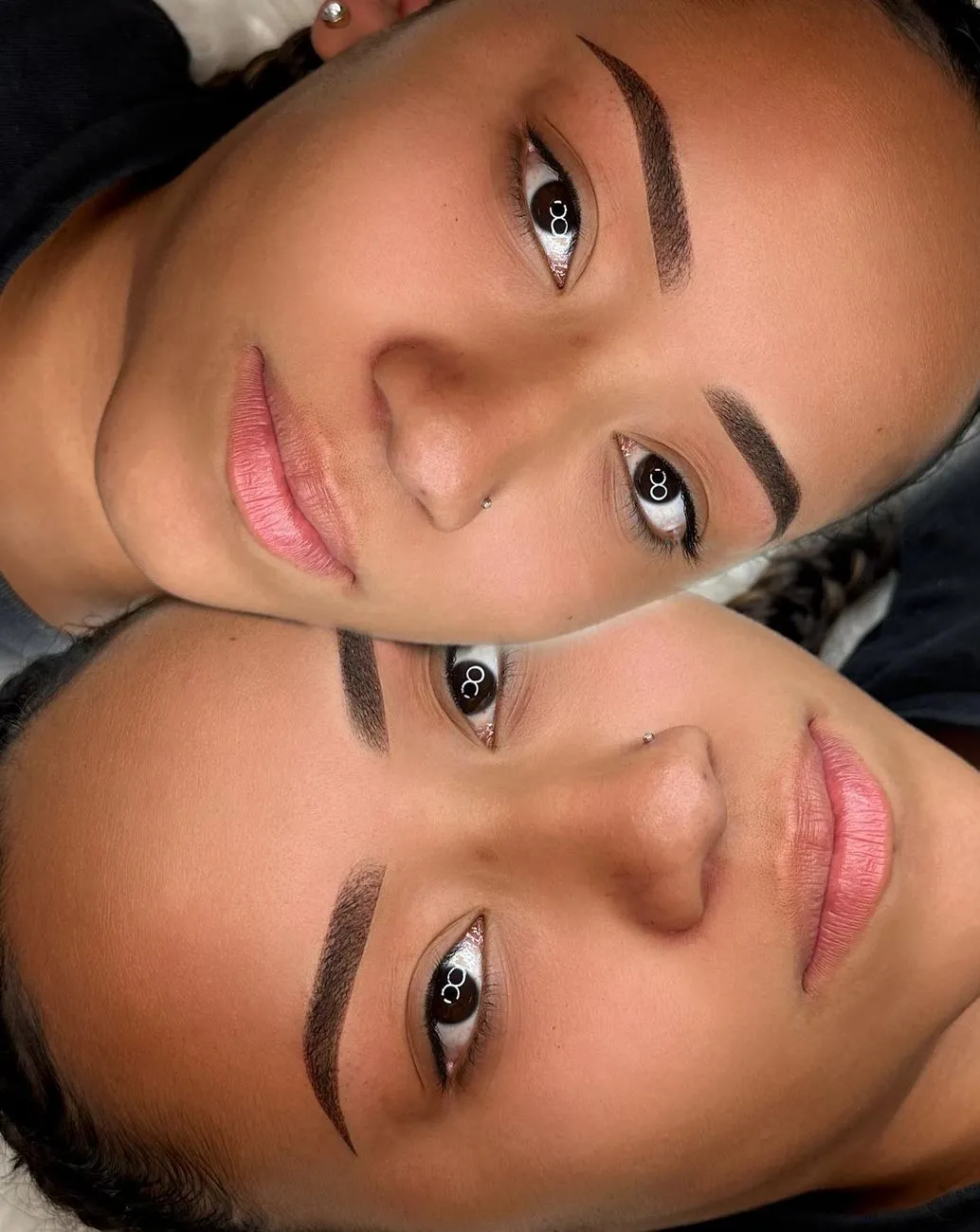
We hear this one a lot: “This pigment works on everyone!” Spoiler: it doesn’t. Any artist or trainer who promises one-size-fits-all results is ignoring the basics of colour theory and the diversity of client skin types. Some pigments fade to red on oily skin, others pull cool on mature skin. It’s not about finding a magic colour. It’s about finding the right pigment for the skin type, procedure area, and lifestyle.
Colour Theory is Your Career Insurance
If you’re serious about becoming a standout artist in the cosmetic tattoo industry — one who produces results that last, age well, and make clients feel beautiful — you need colour theory. Not just to pass a test or complete a paramedical course, but to make confident choices in every procedure: from eyeliner tattoo to scar camouflage, from brow cosmetic tattoo to areola tattooing.
We built our Brisbane studio around safe, skill-based tattooing. No shortcuts. No guesswork. That’s why our healed results hold up — and why our clients keep coming back. And yes, we always start our students strong from course commencement through to live model assessment, ensuring they graduate with real confidence through the cosmetic tattoo training provided by Cosmetic Tattoo Studio Brisbane Face Figurati.
FAQ
Can I learn colour theory later if it wasn’t in my course?
Yes, but you’ll likely spend more time (and money) unlearning bad habits. We recommend a workshop that covers advanced pigment selection, scar camouflage, and colour correction.
Is colour theory different for lip blush vs brows?
Absolutely. Lips are mucosal tissue, meaning they heal differently, hold pigment colours differently, and oxidise uniquely. Powder brow techniques, eyeliner tattoo, and lip liner each need their own strategy.
What happens if I use the wrong pigment?
Poor results: grey brows, red lips, patchiness, or uneven fade. Correction can take multiple sessions and isn’t always 100% fixable. We reference this during our face-to-face training at the Institute of Ink.
Are digital colour apps accurate for pigment matching?
They’re a starting point, not a guarantee. Lighting, base undertones, and client skin types still require hands-on analysis and understanding of micro pigmentation science.
How can I tell if a course teaches proper colour theory?
Ask to see the curriculum. Look for modules on procedural techniques, eyeliner tattooing, gradient technique, skin layers, rotary machine skills, and healed result reviews. Good courses will have a model list, customer service guidance and even cosmetic tattooing case reviews from professionals like Olha Po.