DIY vs Guided — What Do First-Timers Actually Prefer in Uluru?
“DIY vs Guided — What Do First-Timers Actually Prefer in Uluru?” is a question I get asked all the time by newbies arriving in Alice Springs — usually while they’re standing in the car hire queue, wondering if they’ve taken on too much. I’m Paul Beames, and after two decades of driving around Central Australia, I’ve seen both sides of the fence — the freedom of going your own way, and the comfort of having someone else do the driving (literally).
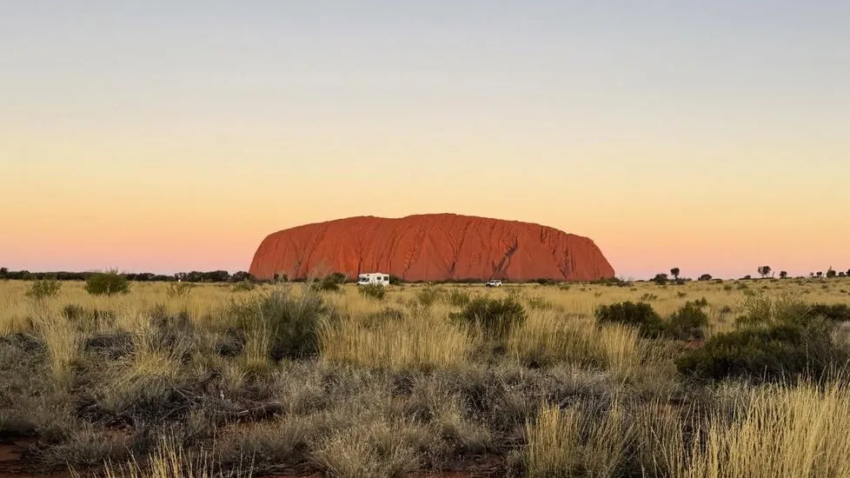
Uluru isn’t just another tick on the bucket list. It’s at the heart of Uluru–Kata Tjuta National Park, a living landscape full of Anangu stories, ancient rock art and natural wonder that’ll stop you in your tracks. Whether you go DIY or with a guided crew, you’ll get red dust in your boots and memories that stick. For first-timers, joining one of the many Uluru Tours can take the hassle out of logistics — and make sure you don’t miss the deeper stories hidden in this amazing Country.
Plan It Yourself or Join a Trip

Before you decide which way to go, here’s a quick rundown of what each option means for first-timers heading to Uluru:
| Aspect | DIY Adventure | Guided Tour |
|---|---|---|
| Cost (per day) | $150–$300 (vehicle hire, fuel, park fees, food) | $250–$500 (includes accommodation, meals, entry fees) |
| Flexibility | Total freedom to set your own pace | Fixed itinerary but zero planning stress |
| Knowledge | You’ll need to do your own research | Expert guides share local culture, geology, and stories |
| Safety & Comfort | Dependent on your prep and driving skills | 24/7 support, first aid, and reliable logistics |
| Social Aspect | Mostly solo or small crew | Meet like-minded travellers from around the world |
| Cultural Sensitivity | You must seek out the correct access info yourself | Guides ensure you visit respectfully and legally |
According to Tourism NT data from 2024, 62 percent of first-time visitors to Uluru decide on a guided tour, while 38 percent prefer the DIY route – though many of them end up juggling a bit of both. They’ll join day tours for the Base walk, or to catch the sunrise, or even take a helicopter flight, while still taking care of the rest themselves by self-driving.
The Great Allure of Going Solo

There’s something incredibly special about blasting across the Red Centre on your own – the wide open road, the scorching red dust, the earthy smell of hot eucalyptus just hanging in the air. You’re in complete control, every single kilometre, every single sunrise stop, every time you hit a dirt track that catches your eye on a whim.
Of course, with all that freedom comes a price tag – and I’m not just talking about fuel costs here. You’ll need to figure out a fuel stops schedule (don’t even get me started, some of those places are 250 kilometres apart ! ) , sort out your food and water supplies and then factor in park regulations and all the road conditions. Out here, getting a flat tyre or running out of a jerry can is more than just a minor nuisance – it can actually put a stop to your whole trip.
If you’re driving yourself:
- Make sure you’ve got at least 20 litres of spare water and a spare tyre on board – not just a repair kit to patch things up on the run.
- Check the Uluru-Kata Tjuta National Park website every day to see what’s closed, especially during the wet season when all the roads are treacherous.
- Be sure to swing by the Cultural Centre before you start your trip – that’s always the perfect place to brush up on Anangu Tjukurpa and how to visit with respect.
- Get to the Base walk early in the morning to beat the heat, and you’ll have a pretty good chance of spotting some rock art down at Mutitjulu Waterhole.
- Keep an eye on the shuttle bus timetable if you’re not driving – that little bus will get you round to all the key sites around the rock.
And the bonus? You get to stumble across moments you’d never script in a lifetime… a dingo suddenly darting across the road at dawn, a lone wedge-tailed eagle hovering overhead, or just sitting in dead silence at a roadside rest stop – the kind of stopover you’d never manage to squeeze in on a tour bus schedule. But if you’d rather focus on the scenery than sweating over the state of your spare tyre, companies like Autopia Tours or Wildlife Tours can take care of the driving while you sit back and soak it all up.
The Real Benefits of Travelling with Local Experts
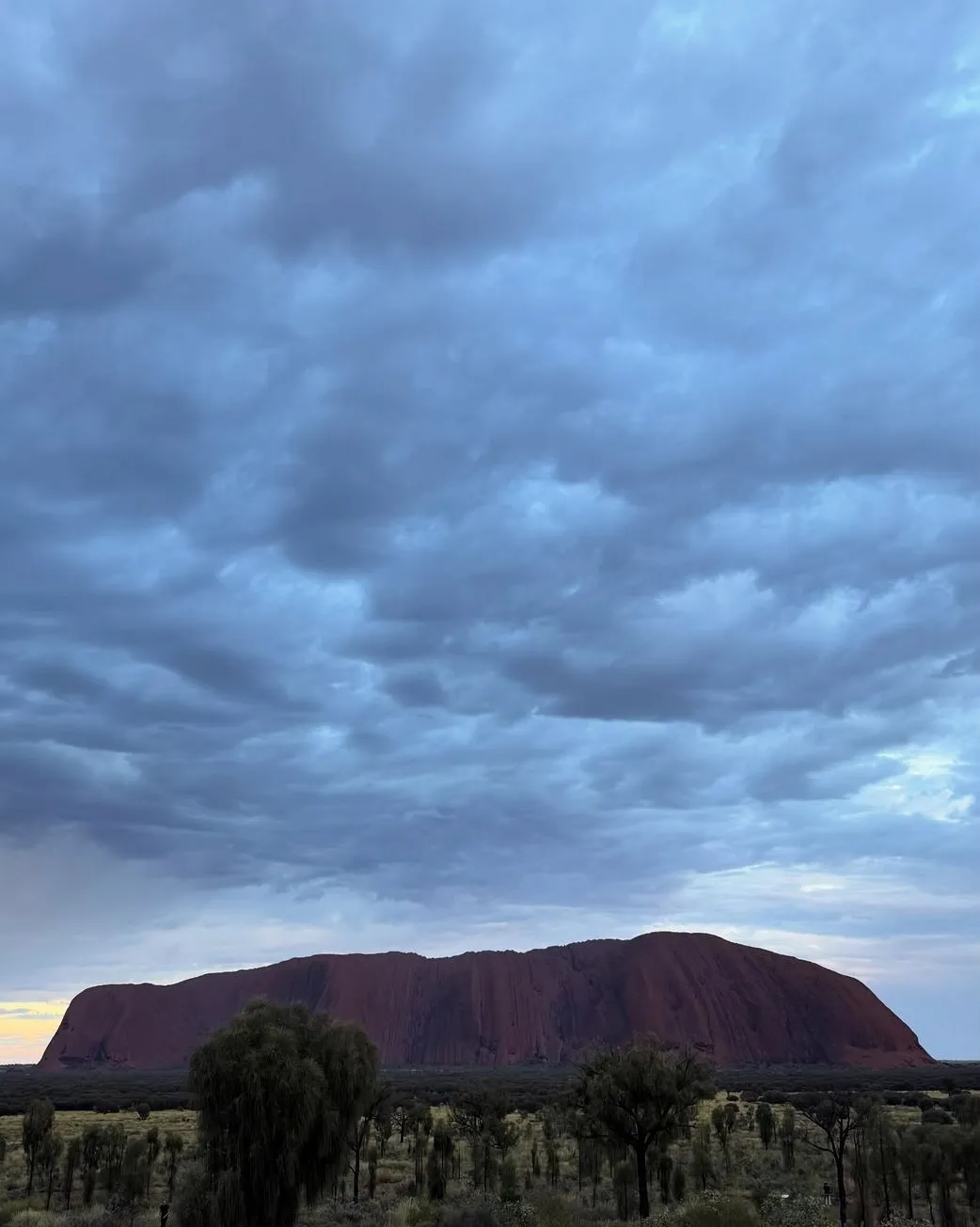
When your very first Uluru experience is on the cards, a guided tour is usually the way to go. The Red Centre can be a pretty hostile place – especially in the middle of summer when the temperature soars above 40 degrees and your phone reception disappears faster than a cold drink on a hot day.
Good tour operators (and I’ve come across a few that are definitely worth looking into, like Wayoutback Tours, Autopia Tours and Wildlife Tours) take care of all the mundane stuff like permits and park passes. That leaves you free from worrying about things like where to fill up, what to eat, or whether your tyres have enough air in them. Plus, you get the added bonus of having local guides who can share stories and insights that bring the whole experience to life – like how Uluru was formed, what all those gorgeous colours mean at sunrise, and which bush foods helped keep people alive out here for tens of thousands of years.
The first timers I talk to are often amazed by how much they’d have missed out on if they’d tried to do it all on their own, such as:
- Being taught about Tjukurpa (those Dreaming stories) by Anangu guides
- Visiting sacred sites without stumbling into restricted areas
- Spotting all the amazing native wildlife and actually knowing what you’re looking at
- Travelling safely through some pretty remote country with the right gear and support
- Seeing Uluru from a helicopter really gives you an idea of just how massive it is
Companies running Uluru tours seem to know what they’re doing when it comes to timing things just right – whether it’s catching the first burst of orange at sunrise or finishing your Base walk before the midday heat really kicks in. For lots of people, that extra bit of insight turns a holiday into something a whole lot more special – a genuine connection with the place.
What to Expect to Pay for Each Option
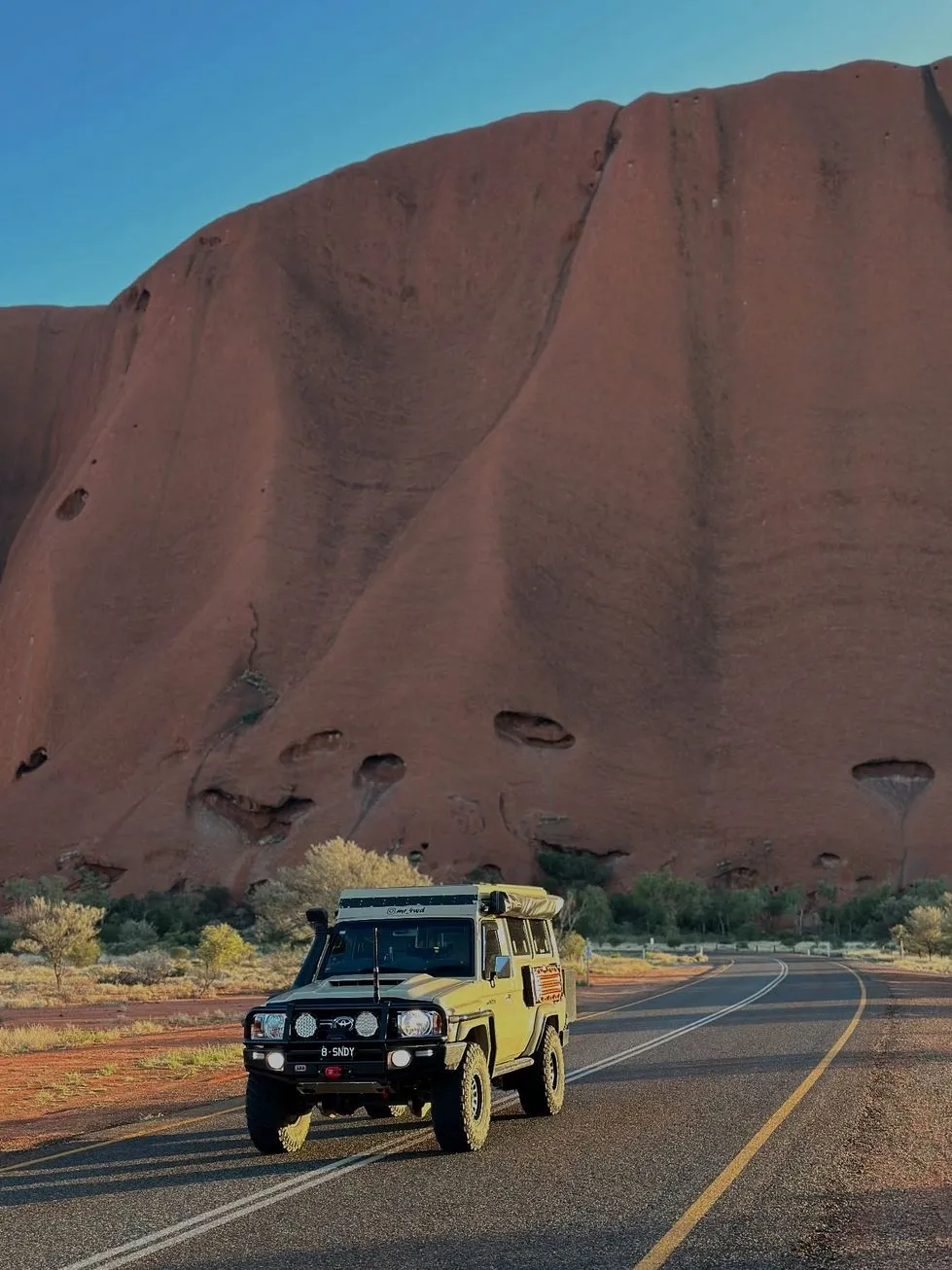
Time to get down to the nitty-gritty. A lot of people assume that doing it yourself is cheaper, but the Red Centre has a sneaky knack of sneaking up on your budget before you even know it’s happening.
Here’s a rough idea of what you might expect to pay based on some 4-day averages:
| Expense | DIY (4 Days) | Guided Tour (4 Days) |
|---|---|---|
| Vehicle hire (SUV or 4WD) | $700 | Included |
| Fuel (approx. 1,000km) | $250 | Included |
| Accommodation | $400 (budget lodges or camps) | Included |
| Meals & supplies | $200 | Included |
| Park Pass & permits | $80 | Included |
| Total | $1,630 | $1,200–$1,800 |
It’s pretty much a dead heat as far as costs go – you’ve got your wallet to consider, and then there’s your sanity. A trip with the likes of Autopia Tours or Wayoutback Tours may well blow your bank account at first glance, but what you are actually getting is that all-important access to the local culture, a bit of a break from the rough ride, and a big dollop of peace of mind to boot.
Getting a Handle on Cultural Sensitivity
Now, let’s get serious about this – while Uluru is a genuine geological wonder, it’s got a whole lot more going on than meets the eye. This place is a sacred site for the local Anangu people, and while it’s tempting to get into the photography business and take a few snaps in front of the rock, it’s well worth spending a bit of time listening to what the locals have to say.
Your options for getting around are pretty standard – you’ve got your walking trails like the Mala Walk, the Kuniya Walk and the Base Walk all open to visitors; take note, though, that the Uluru climb is well off limits now – and for good reason. A tour with Uluru Tours will give you the lowdown on why. I’ve seen the difference that a good local guide can make —it’s night and day. You can take a few photos and walk away, or get some real insight into what you are looking at.
Solo travel is okay—just make sure you drop by the Cultural Centre before heading into the park, take a few minutes to learn a bit of Pitjantjatjara, get a handle on Tjukurpa, and show some respect. The Park Rangers and Anangu guides are always happy to share their knowledge with anyone who is genuinely interested and willing to take the time to listen.
The Nitty Gritty – Weather, Roads and Just Plain Safety
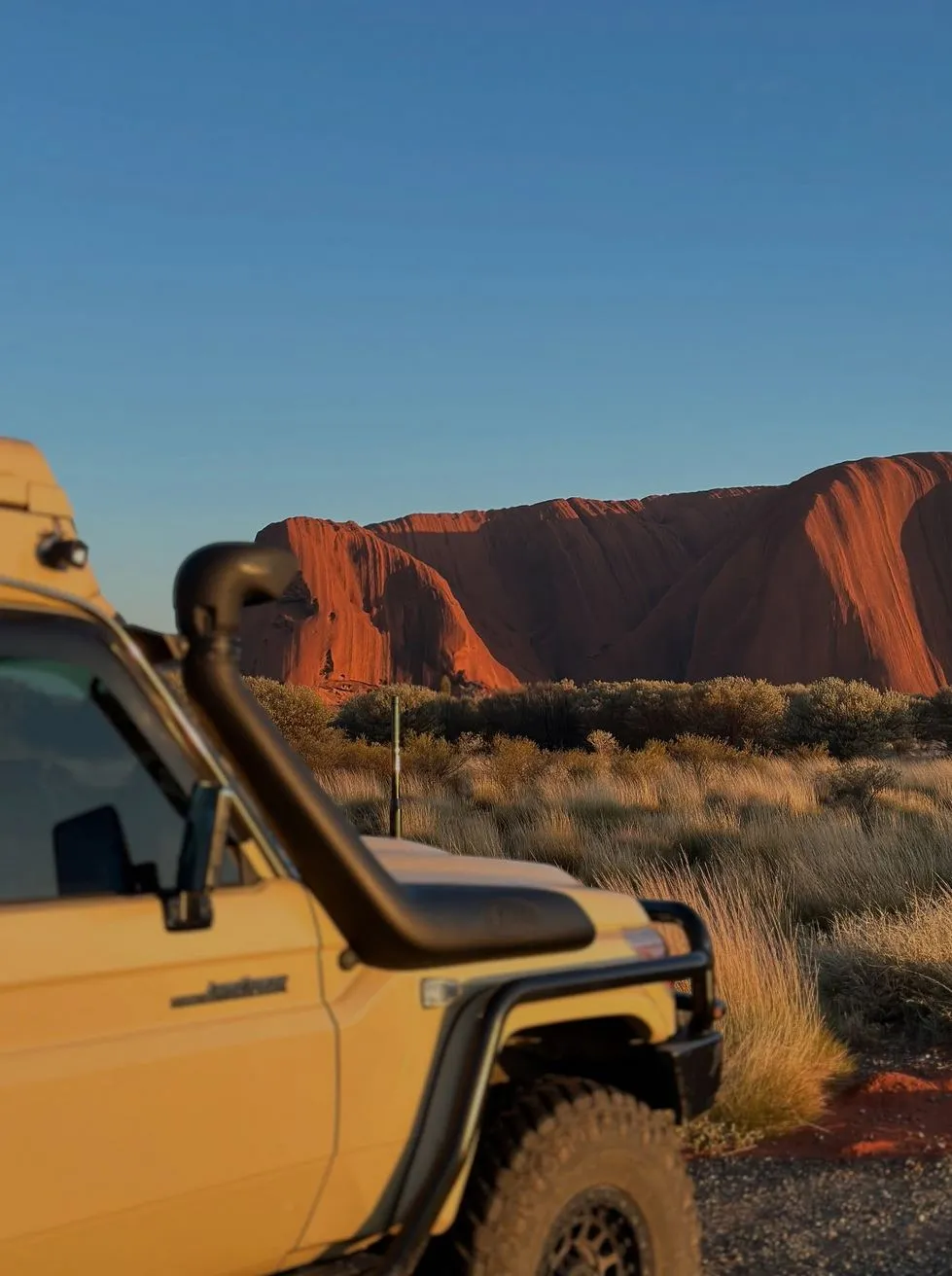
We’ve got a pretty tough climate out here in the Red Centre. It’s not uncommon for summer days to get above 40 degrees and have the bitumen so soft you’d be in danger of losing a thong in it – then you’ve got winter nights which can drop into freezing territory. And don’t even get me started on the road conditions, which can change overnight—you might think an expressway is sealed, but that doesn’t necessarily mean it’ll be a smooth ride.
A few essential things to keep in mind
- The Dry Season (May to October) – the weather is pretty good, even if it does bring a bunch of tourists with it.
- The Wet (Nov to April) – flash floods, road closures and mosquitoes are all par for the course.
- The in-between months—while not the best time for reasonable weather — are a good option for budget travellers.
If you are planning on driving around the place, you should really get the NT Road Report app on your phone and have a chat with the local police first – or better still just go with a guided tour and let someone else do all the hard work while you just get to enjoy the ride & take in the views – like watching the sunrise over Uluru, or doing a walk around the Base or a scenic flight over Kata Tjuta.
The Verdict – What Do First Timers Really Think?
The truth is, there’s no right or wrong answer; it’s a bit of both, really. I’ve found that most first-timers who go on a guided tour at the end of the day say, “Next time I’m going to do it myself”, while the people who like to do things themselves tend to say, “Next time I’m going to go guided”. That shows you there’s a place for both in the world. If you’re new to outback travel, start off with a guided tour, then try your hand at doing it yourself when you’ve got a bit of experience under your belt. One thing to bring is some respect, patience & a bit of common sense – and you’ll probably do alright.
Final Takeaway
If Uluru’s calling your name, don’t overthink the way — just do it. Whether you’re solo with your swag and a map or joining a guided adventure with Autopia Tours, Wildlife Tours or Wayoutback Tours, the heart of Uluru–Kata Tjuta National Park will meet you halfway.
Got questions or road stories of your own? Comment below — I love to hear how others tackle this big stretch of Country.
FAQ
Is Uluru safe for solo travellers?
Yes — if you plan ahead. Carry enough water, know your fuel stops and check in daily via satellite or at a roadhouse. Guided options like Uluru Tours add another layer of safety if you’re new to remote travel.
Do I need a 4WD to get around Uluru?
No. The main sites, like the Base walk, Cultural Centre and Sunrise viewing area, are sealed and connected by a shuttle bus.
Can I visit Uluru without joining a tour?
Yes. You can self-drive, just remember to buy a National Park pass online and follow Anangu cultural guidelines.
What’s the best time of year to visit?
May to September is cooler and clearer. Avoid December to February if you can — the heat is brutal and storms make driving hairy.
Are helicopter or scenic flights worth it?
Yes, both give you a perspective of Uluru you can’t get from the ground. Morning flights often work well with sunrise viewing for epic photos. Many travellers love scenic flights for those sweeping views.